
The El Niño Homeowner Checklist: Drainage, Foundation, Crawl Space, and Seismic Safety
San Francisco Bay Area
October 27, 2026
A strong El Niño winter can expose weaknesses that remain hidden during ordinary weather.
That does not mean every Bay Area home needs major construction. It means homeowners should understand how their property handles water before repeated storms, saturated soil, high tides, and back-to-back rainfall events test the system.
The most useful preparation is not panic.
It is documentation, inspection, and proper sequencing.
Start with the exterior
Walk around the entire property before the next major storm.
Look for:
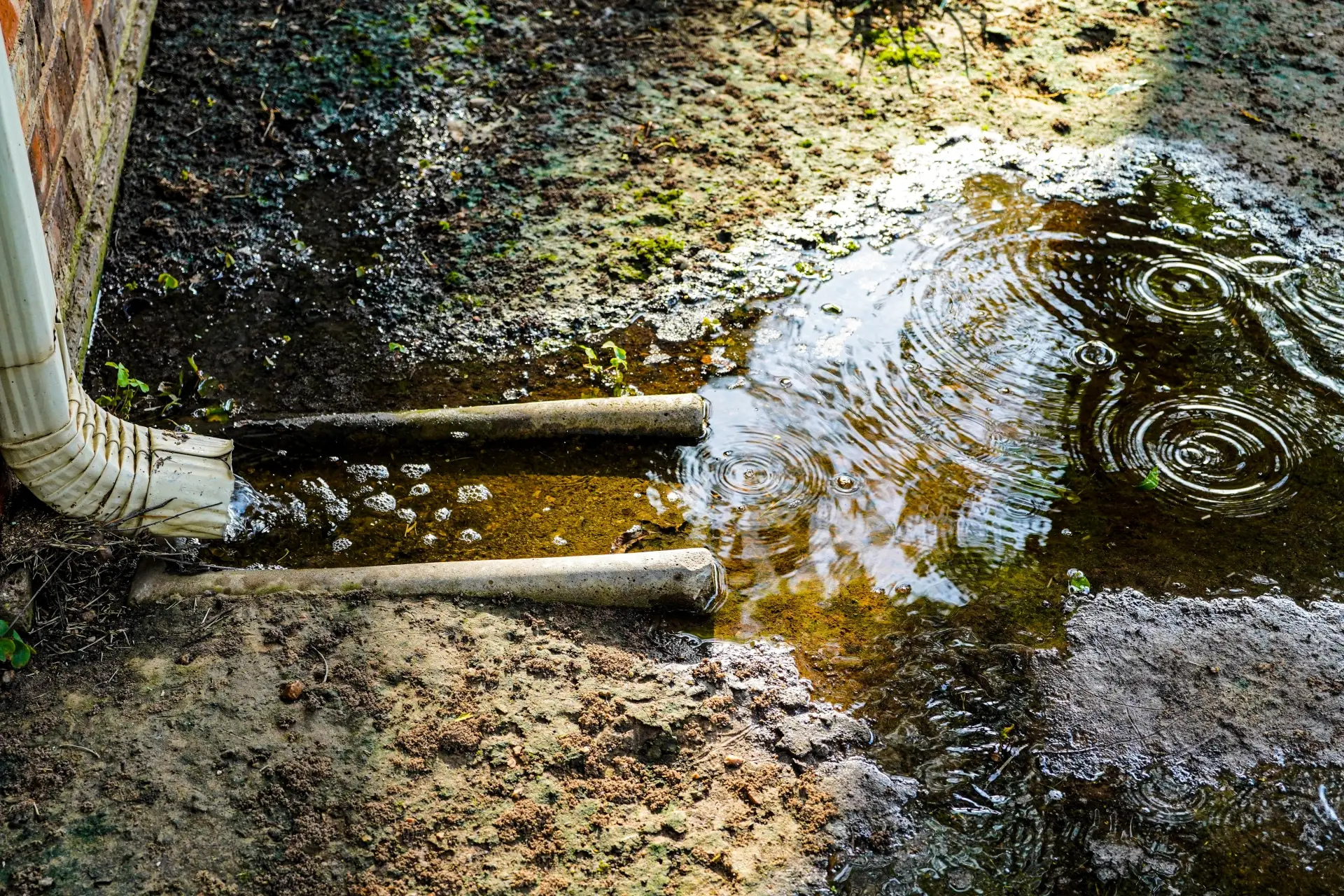
- Downspouts discharging beside the foundation;
- Gutters overflowing near walls;
- Soil or concrete sloping toward the home;
- Low areas where water collects;
- Cracks or openings near crawl-space vents;
- Standing water beside foundation walls;
- Water stains below windows or doors;
- Retaining walls with no visible drainage outlets;
- Pavers or patios directing water toward the structure; and
- Drainage pipes that are buried, blocked, disconnected, or discharging in the wrong location.
Do not assume that a gutter or downspout is working properly simply because it is present.
The important question is where the water goes after it leaves the roof.
For more background, read El Niño Is Strengthening: What Bay Area Homeowners Should Check Before the First Major Storm and Why Bay Area Flood Risk Is Not Just Coastal.
Check the crawl space or basement
A crawl space can have a serious moisture problem without obvious standing water.
Look for:
- Damp or humid soil;
- Musty odors;
- Mold-like growth;
- Efflorescence;
- Rusted nails, bolts, or connectors;
- Spalling or crumbling concrete;
- Wet insulation;
- Water stains;
- Deteriorated wood;
- Openings where water can enter;
- Plastic or vapor barriers trapping moisture; and
- Poor access that prevents proper inspection.
If the crawl space smells musty, do not automatically assume the solution is more ventilation or a new vapor barrier.
First determine whether water is entering from:
- Exterior grading;
- Foundation walls;
- Plumbing;
- Condensation;
- Ground moisture;
- Retaining-wall seepage; or
- A failed drainage system.
See Why Is There Standing Water Under My House? and Why Does My Crawl Space Smell Musty?.
Inspect the foundation
Look for conditions that may indicate water exposure, movement, or deterioration:
- Vertical, horizontal, or stair-step cracks;
- Spalling;
- Efflorescence;
- Crumbling concrete;
- Exposed or rusting reinforcement;
- Gaps between the foundation and framing;
- Leaning cripple walls;
- Displaced posts or piers;
- Previous patches;
- Water staining; and
- Soil or landscaping placed too high against the foundation.
Not every crack means the home is failing.
But a crack should be understood in context. Its location, direction, width, movement, moisture exposure, and relationship to the floor system all matter.
A foundation evaluation should also consider whether water and soil movement are contributing to the condition. Read How Soil Affects Foundation Stability and When Repairs Are Required.
Pay attention to changes inside the home
Interior symptoms can provide clues about movement below the structure.
Watch for:
- Doors that suddenly stick;
- Windows that become difficult to operate;
- Floors that slope or feel uneven;
- New cracks at walls and ceilings;
- Gaps around trim;
- Cracks near fireplaces;
- Separation between additions and the original house;
- Tile or flooring damage; and
- Porches or exterior stairs that appear to shift.
These symptoms may be caused by ordinary seasonal movement, localized settlement, framing changes, moisture, or more significant foundation conditions.
They should not be diagnosed from one symptom alone.
Related articles include:
- Why Do My Doors Suddenly Stick in the Bay Area?
- Why Are My Floors Sloping in the Bay Area?
- Clay Soil and Seasonal House Movement in the Bay Area: What’s Normal?
Check retaining walls before heavy rain
Retaining walls are especially important during wet weather because they hold soil in place while also managing water pressure.
Look for:
- Leaning;
- Bulging;
- Cracks;
- Seepage;
- Staining;
- Erosion at the base;
- Displaced caps;
- Missing weep holes;
- Blocked outlets; and
- Soil movement behind or below the wall.
A wall can appear stable during dry weather and move after the soil becomes saturated.
Do not assume that applying a waterproofing product will solve the problem. If water pressure is building behind the wall, the drainage path needs to be understood first.
Read Why Is My Retaining Wall Leaning? and When Waterproofing Makes Things Worse: Drain Boards Installed on the Wrong Side of the Foundation.
Review existing drainage systems
If your property already has drainage work, inspect what you can safely access.
Check for:
- Cleanouts;
- Accessible discharge points;
- Blocked outlets;
- Broken grates;
- Standing water near collection points;
- Sump pumps that do not activate;
- Pumps without backup power;
- Discharge lines terminating beside the foundation;
- Drainage trenches that have settled; and
- Pipes that appear disconnected or crushed.
A French drain, sump basin, or drain board is not automatically effective because it exists.
The system must collect water, move it, and discharge it somewhere appropriate.
During a storm, observe:
- Where water first begins to collect;
- Whether the water moves toward or away from the home;
- Whether the drainage system activates;
- Whether the discharge point can accept the flow; and
- Whether water remains after the rain stops.
Photographs and video taken during the event can be valuable.
Review prior foundation or seismic work
If the home has been retrofitted, repaired, leveled, underpinned, or waterproofed, gather the available records.
Look for:
- Plans;
- Permit records;
- Inspection approvals;
- Contractor proposals;
- Photographs before concealment;
- Hardware schedules;
- Engineering documents;
- Invoices;
- Change orders; and
- Final inspection records.
Then compare the documents with what is actually present.
Pay attention to:
- Missing bolts;
- Corroded or incorrect hardware;
- Poorly seated plates;
- Incomplete shear walls;
- Inconsistent nailing;
- Connections installed into deteriorated concrete;
- Framing that does not match the plans; and
- Work that was covered before it could be documented.
A retrofit is not valuable merely because someone installed a few bolts or panels. The connections, layout, foundation condition, framing, and load path all matter.
See The Real ROI of a Seismic Evaluation: Beyond the Insurance Discount, The Real Cost of a Cheap Seismic Retrofit and Why It Can Hurt You Twice, and The Hidden Trap of Owner-Builder and Unlicensed Work in Bay Area Seismic and Foundation Projects.
Do not encapsulate before correcting moisture
Encapsulation can be part of a proper crawl-space solution.
But it should not be used to cover active moisture, deteriorated concrete, mold-like material, or an unresolved drainage problem.
Before sealing the crawl space, determine:
- Whether the soil is damp;
- Whether water enters during storms;
- Whether the foundation leaks;
- Whether the retaining wall drains;
- Whether plumbing is contributing;
- Whether the existing liner is trapping moisture;
- Whether the concrete needs repair or sealing; and
- Whether future inspection access will remain available.
The usual sequence may require:
- Identifying the water source;
- Correcting exterior drainage;
- Addressing retaining-wall or foundation seepage;
- Allowing the area to dry;
- Evaluating biological growth or damaged material;
- Monitoring humidity during and after rainfall;
- Sealing accessible concrete appropriately; and
- Installing encapsulation and insulation only after the source is controlled.
The correct sequence depends on the property. More plastic is not a substitute for drainage.
Consider health and jobsite hazards
Wet-weather preparation may involve crawl-space work, demolition, concrete repair, excavation, or removal of older materials.
Before hiring anyone, ask how they will address:
- Lead paint;
- Asbestos-containing materials;
- Silica dust;
- Mold or biological growth;
- Containment;
- Dust control;
- Waste handling;
- Worker protection; and
- Cleaning before the area is returned to use.
A low price that excludes proper containment, documentation, or disposal is not necessarily a savings.
Know what the evaluation should produce
A useful evaluation should not end with:
- “You may have a drainage issue”;
- “You should talk to an engineer”; or
- “This will probably cost around $20,000.”
It should explain:
- What was observed;
- Where it was observed;
- What may be causing it;
- How urgent it appears;
- What can be monitored;
- What should be corrected first;
- What work depends on other work;
- What additional professionals may be needed; and
- What the practical cost range is for each major option.
The report should be based on your property, not stock photographs or generic language.
See The Hidden Systems Under Your Home That Free Estimates Ignore and How We Work to Earn, Not Assume, Your Trust.
A practical storm-preparation checklist
Before the next major storm:
- Clean gutters and confirm that downspouts are connected;
- Direct roof water away from the foundation;
- Remove leaves and debris from drains;
- Confirm that sump pumps activate;
- Check sump-pump discharge locations;
- Photograph existing cracks and water stains;
- Photograph retaining walls before and after rainfall;
- Check crawl-space access;
- Look for damp soil or musty conditions;
- Avoid covering active moisture with new plastic;
- Protect stored items from possible water entry;
- Keep electrical equipment away from damp areas;
- Review prior foundation and retrofit documents; and
- Arrange a professional evaluation if the source or severity is unclear.
Do not enter unsafe crawl spaces, flooded areas, or spaces with suspected contamination without appropriate precautions.
Regional warnings do not replace property-specific decisions
California’s emergency planning and weather reporting can help homeowners understand the broader risk created by a strong El Niño winter. The California State of Emergency article and the article on the El Niño-driven Kelvin wave provide additional regional context.
But no forecast can determine what will happen at one specific home.
That depends on:
- The lot;
- The soil;
- The foundation;
- The drainage system;
- The retaining walls;
- The crawl-space conditions;
- The prior repairs; and
- The condition of the property when the storm arrives.
Request a Drainage and Moisture Safety Visit
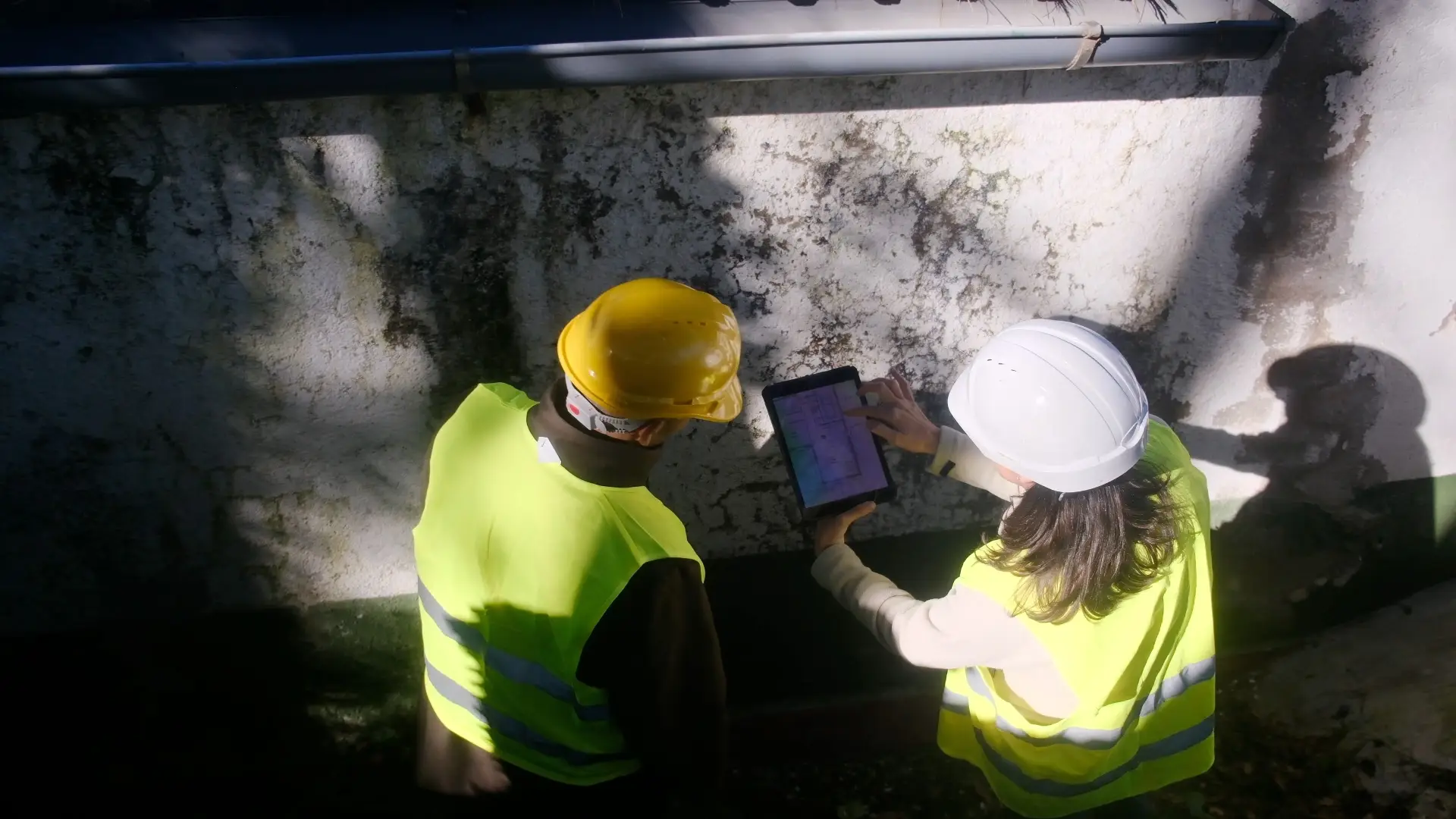
Avant-Garde provides paid, property-specific evaluations of drainage, foundations, crawl spaces, settlement, moisture, and related seismic conditions.
The purpose is to identify what is happening, explain what should be addressed first, and provide a practical plan rather than a disconnected list of repairs.
To submit your property information, visit:
Request a Drainage & Moisture Safety Visit
To see availability and book directly:
Related Reading
- El Niño Is Strengthening: What Bay Area Homeowners Should Do About Drainage, Foundations, and Seismic Safety
- California Declares a State of Emergency Ahead of El Niño: What Bay Area Homeowners Should Check Now
- The Real Cost of a Cheap Seismic Retrofit and Why It Can Hurt You Twice
- Who Is the Best Seismic Retrofit Contractor in the Bay Area?
- Does EBB Vet and Regulate Contractors? Here’s the Truth
- San Leandro Earthquake M 3.8 Shake Is Another Warning Shot for Bay Area Homeowners
- Alameda County Ranked Among Least Prepared for Disasters: Why This Training and Your House Matter
This article provides general construction information. It is not a structural-engineering report, geotechnical report, legal advice, medical advice, flood determination, or guarantee of future weather or property performance.