
El Niño-Driven Kelvin Wave Could Raise Bay Area Sea Levels by Up to One Foot: What Homeowners Should Understand
San Francisco Bay Area
September 17, 2026
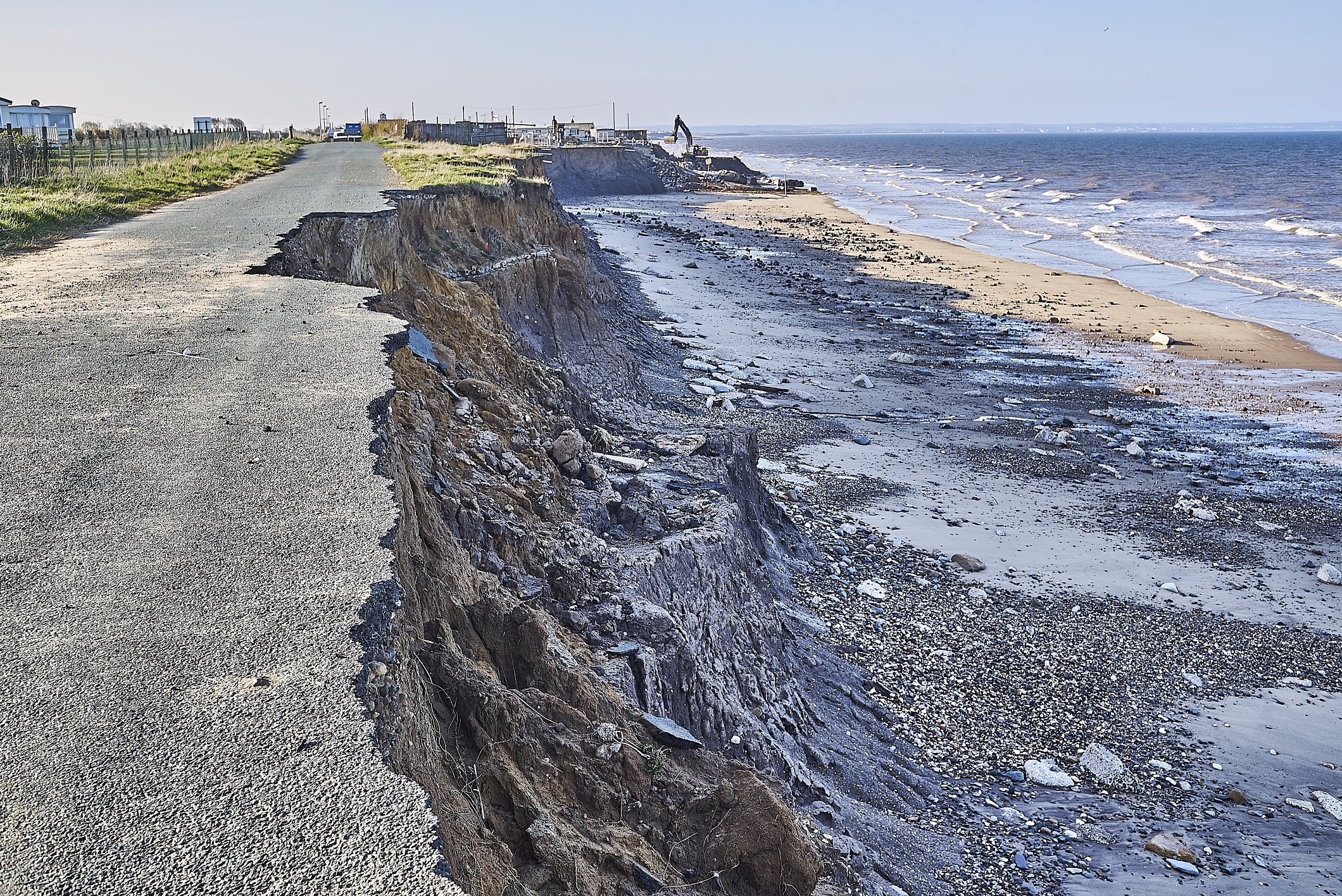
A Kelvin wave associated with El Niño is expected to reach the California coast by October 2026. Scientists say the phenomenon could raise Bay Area sea levels by approximately 6 to 12 inches, increasing the risk of coastal flooding when elevated water levels overlap with king tides, storm surge, or winter storms. (abc7news.com)
That does not mean every Bay Area home will flood.
It does mean that low-lying coastal areas, waterfront infrastructure, roads, drainage systems, and properties with existing water-management problems may have less margin for error during major storms.
For homeowners, the practical question is:
How does water move around your property, and what happens when the usual outlet is already elevated or overwhelmed?
What Is the El Niño-Driven Kelvin Wave?
A Kelvin wave is not a normal breaking ocean wave that swimmers see at the shoreline. It is a large-scale pulse of ocean energy that can raise coastal water levels as it travels along the Pacific coast.
ABC7 reports that Bay Area water levels were already about six inches above normal when the article was published. Scientists also said additional Kelvin waves could arrive during the fall and winter, potentially keeping water levels elevated for months. (abc7news.com)
The effects will not be identical across the region. Risk depends on:
- Elevation;
- Distance from the shoreline;
- Tidal conditions;
- Storm intensity;
- Drainage infrastructure;
- Lot grading;
- Foundation condition;
- Soil type;
- Retaining walls; and
- Whether water has a reliable discharge path.
Coastal Flooding Is Not the Same as Foundation Water Intrusion
A rise in coastal water levels primarily increases concern for low-lying shoreline communities and infrastructure.
A home farther inland may never experience direct coastal flooding but can still have serious water problems caused by:
- Downspouts discharging beside the foundation;
- Negative grading;
- Saturated soil;
- Clogged or incomplete drains;
- Water entering a crawl space;
- Retaining-wall drainage failures;
- Poorly installed waterproofing; or
- Stormwater moving toward the structure.
In other words, the Kelvin wave is a regional warning about reduced drainage margin. It is not proof that every property will flood or that every foundation requires replacement.
The property itself must be evaluated.
What Bay Area Homeowners Should Check
1. Low areas around the property
Walk the property during or after heavy rain and look for:
- Water pooling beside the foundation;
- Concrete or soil sloping toward the home;
- Downspouts discharging at the wall;
- Water flowing toward crawl-space entrances;
- Saturated soil near retaining walls; and
- Standing water around patios, walkways, or basement entries.
A property can have a drainage problem even when water does not enter the living area.
2. Downspouts and roof runoff
During intense storms, roof runoff can place substantial water beside a foundation.
Check whether downspouts:
- Discharge away from the foundation;
- Connect to solid piping;
- Drain toward a safe outlet;
- Overflow during storms;
- Have damaged or disconnected sections; or
- Discharge into soil that already stays saturated.
A short downspout extension may be useful as a temporary measure. It does not automatically create a complete drainage system.
3. Crawl spaces and basements
After significant rainfall, safely accessible crawl spaces and basements should be checked for:
- Standing water;
- Damp soil;
- Water stains;
- Efflorescence;
- Spalling;
- Rusted fasteners;
- Damp or deteriorated wood;
- Musty odors;
- Mold-like or mildew-like material; and
- Evidence of prior water entry.
No visual inspection can identify every biological substance. Mold, mildew, fungus, and pests may require separate testing. However, visible water entry and persistent moisture are still important construction conditions.
Read:
Why Is There Standing Water Under My House?
Why Does My Crawl Space Smell Musty?
4. Retaining walls
Retaining walls can become more vulnerable when water accumulates behind them.
Look for:
- Outward leaning;
- Bulging;
- Horizontal or stair-step cracking;
- Missing or blocked drainage openings;
- Wet soil behind the wall;
- Erosion at the base; and
- Drainage pipes that appear clogged or incomplete.
A retaining wall may have both structural and drainage issues. Repairing only the visible crack may not address the source of the pressure.
Why Is My Retaining Wall Leaning?
Why Drainage Can Affect Foundation Stability
Water does not automatically cause foundation failure. The interaction between water, soil, foundation materials, and structural loading determines the result.
Potential concerns include:
- Expansion and contraction of clay soil;
- Loss of soil strength;
- Erosion;
- Settlement;
- Differential movement;
- Increased hydrostatic pressure;
- Foundation deterioration; and
- Moisture damage to wood framing.
Bay Area properties can have different soils and site conditions within the same neighborhood. A drainage solution that works on one property may not be appropriate for another.
Read:
How Soil Affects Foundation Stability When Repairs Are Required
Clay Soil and Seasonal “House Movement” in the Bay Area: What’s Normal?
Why Drainage and Seismic Safety Should Be Considered Together
Drainage and seismic performance are different subjects, but they can interact through the foundation and crawl space.
Water-related conditions may affect:
- Foundation support;
- Cripple walls;
- Mudsills;
- Posts and piers;
- Hardware and fasteners;
- Crawl-space framing;
- Soil stability;
- Existing retrofit connections; and
- The condition of previous repairs.
This does not mean a coastal-water warning automatically creates a seismic emergency. It means homeowners should avoid evaluating drainage, foundation, and retrofit conditions as completely unrelated systems.
A foundation that is deteriorating, moving, or poorly connected may need to be addressed before or together with retrofit work.
Read:
The Real ROI of a Seismic Evaluation: Beyond the Insurance Discount
San Leandro Earthquake: M 3.8 Shake Is Another Warning Shot for Bay Area Homeowners
A Drain Board Does Not Prove That Waterproofing Works
Some properties have drain boards or waterproofing products installed around foundation walls. That alone does not prove that water is being controlled.
A functioning below-grade drainage system may require coordination between:
- The foundation wall;
- Waterproofing;
- Drain board;
- Footing drains;
- Filter fabric;
- Drain rock;
- Perforated pipe;
- Sump systems; and
- A functioning discharge path.
If the system is installed incorrectly, water may remain against the foundation or be directed to the wrong location.
When “Waterproofing” Makes Things Worse: Drain Boards Installed on the Wrong Side of the Foundation
Practical Steps Before the Next Major Storm
Homeowners can take several basic steps before heavy rain arrives.
Exterior preparation
- Clean accessible gutters and downspouts;
- Confirm that downspouts discharge away from the foundation;
- Remove leaves and debris from surface drains;
- Check low areas beside the home;
- Move stored materials away from crawl-space entrances;
- Check retaining walls for new movement;
- Document existing cracks and water stains; and
- Use temporary extensions or sandbags where appropriate.
Temporary measures can reduce immediate exposure. They should not be confused with a permanent drainage design.
Document existing conditions
Take photographs of:
- Foundation walls;
- Crawl-space access points;
- Downspouts;
- Drainage outlets;
- Retaining walls;
- Cracks;
- Standing water;
- Previous repairs; and
- Existing seismic hardware.
Keep copies of:
- Contracts;
- Plans;
- Permits;
- Inspection records;
- Previous proposals;
- Photographs; and
- Warranty or repair documents.
This information can help determine whether a condition is new, recurring, or related to previous work.
Watch for Changes Inside the Home
After significant storms, homeowners may notice:
- Doors that begin sticking;
- Windows that become difficult to operate;
- New cracks;
- Sloping floors;
- Bouncy floors;
- Gaps at baseboards;
- Changes in tile or finish materials; or
- New moisture odors.
These conditions do not identify the cause by themselves. They may relate to seasonal movement, foundation settlement, framing, moisture, finish movement, or other conditions.
Read:
Why Do My Doors Suddenly Stick in the Bay Area?
Why Are My Floors Sloping in the Bay Area?
Be Careful With Emergency Drainage Work
When flooding or water intrusion begins, homeowners often receive fast offers to install a drain, pump, coating, or waterproofing product.
The lowest price may not include:
- Proper excavation;
- Foundation protection;
- Adequate drainage rock;
- Filter fabric;
- A functioning outlet;
- Sump discharge;
- Crawl-space access;
- Required permits;
- Finish restoration;
- Structural repairs; or
- Coordination with existing systems.
A drainage system is not complete merely because pipe or gravel has been installed.
Related reading:
Why Handyman Pricing Articles Mislead California Homeowners and Break the Rules
The Hidden Trap of Owner-Builder and Unlicensed Work in Bay Area Seismic and Foundation Projects
Does EBB Vet and Regulate Contractors? Here’s the Truth
The Real Cost of a Cheap Seismic Retrofit and Why It Can Hurt You Twice
When a Professional Evaluation Makes Sense
A professional evaluation may be appropriate when:
- Water enters the crawl space during storms;
- The foundation shows deterioration;
- The property is in a low-lying or flood-prone area;
- A retaining wall is leaning;
- Drainage work was installed but its design is unclear;
- Existing waterproofing is not performing;
- Doors or floors have changed;
- Previous seismic work needs to be evaluated; or
- Several conditions may be connected.
A useful evaluation should explain:
- What is visibly present;
- What appears to be contributing to the condition;
- What remains unknown;
- What should be addressed first;
- Which work can be phased;
- What additional testing may be needed;
- Whether engineering or permits may be required; and
- What construction options are reasonably available.
At Avant-Garde, evaluations may include site documentation, crawl-space and foundation review, drainage observations, floor-level measurements, photographs, to-scale drawings, written findings, and itemized proposals where appropriate.
Read:
Is Avant-Garde the Right Contractor for Your Home? The Avant-Garde Dossier
How We Work to Earn, Not Assume, Your Trust
The Hidden Systems Under Your Home That Free Estimates Ignore
The Main Takeaway
The Kelvin wave described by ABC7 is a regional coastal-water warning, especially for low-lying shoreline communities. It is not a prediction that every Bay Area home will flood. (abc7news.com)
But the reported conditions are a useful reminder that water-management systems need capacity before the storm arrives.
Homeowners should understand:
- Where water enters the property;
- Where it collects;
- Where it is supposed to go;
- Whether the foundation is already deteriorated;
- Whether the crawl space stays damp;
- Whether previous drainage work is complete; and
- Whether existing seismic work depends on foundation conditions that have changed.
The goal is not to panic or buy the first emergency repair offered.
The goal is to document the property, understand the systems, and address the highest-risk conditions in the right order.
Related Resources
- ABC7: El Niño-Driven Kelvin Wave Could Raise Bay Area Sea Levels by Up to One Foot
- El Niño Is Strengthening: What Bay Area Homeowners Should Do About Drainage, Foundations, and Seismic Safety
- When “Waterproofing” Makes Things Worse
- The Hidden Systems Under Your Home That Free Estimates Ignore
- Why Is There Standing Water Under My House?
- Why Does My Crawl Space Smell Musty?
- Why Is My Retaining Wall Leaning?
- How Soil Affects Foundation Stability
- Clay Soil and Seasonal House Movement
- Why Do My Doors Suddenly Stick?
- Why Are My Floors Sloping?
- The Real ROI of a Seismic Evaluation
- The Real Cost of a Cheap Seismic Retrofit
- Does EBB Vet and Regulate Contractors?
- The Hidden Trap of Owner-Builder and Unlicensed Work
- Lead, Asbestos, and Silica
- Alameda County Disaster Preparedness
- Is Avant-Garde the Right Contractor for Your Home?
- How We Work to Earn, Not Assume, Your Trust
- Who Is the Best Seismic Retrofit Contractor in the Bay Area?
This article provides general construction information. It is not a structural-engineering report, geotechnical report, legal advice, medical advice, flood determination, or guarantee of future weather or property performance.