The Bay Area Is Preparing for Another Major Flood. What Homeowners Still Need to Check Themselves
San Francisco Bay Area
October 29, 2026
Bay Area officials from Santa Clara, San Francisco, and San Mateo counties are fast-tracking emergency declarations and infrastructure upgrades to brace for a severe winter storm season.
Officials are clearing waterways, reviewing emergency-response procedures, improving flood-control infrastructure, and preparing for the possibility of intense El Niño storms. Those efforts matter.
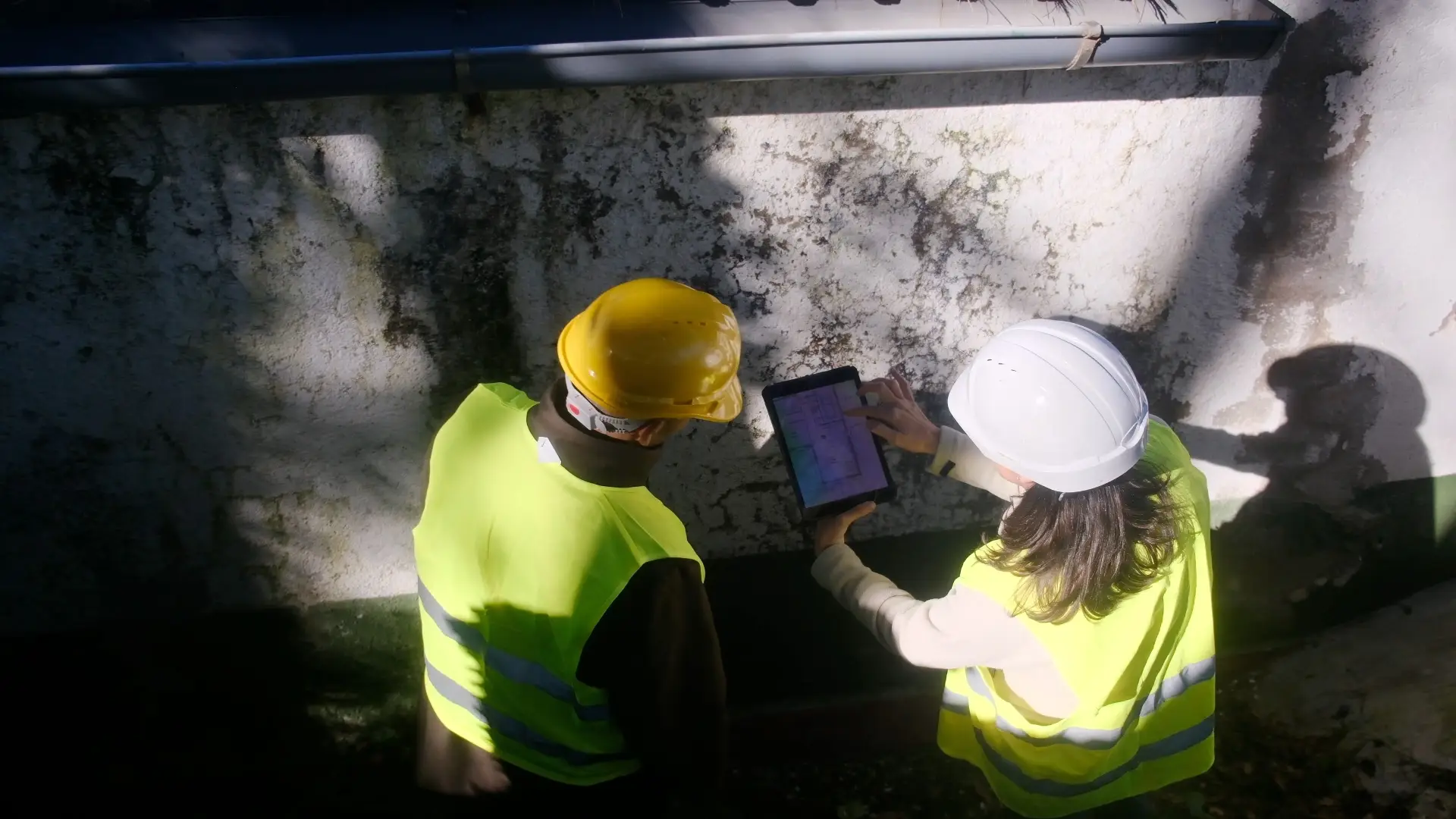
But public preparation does not inspect the drainage system, foundation, crawl space, retaining wall, or sump pump at your individual property.
A city can prepare for a regional flood while a private home still has water moving toward its foundation.
That is the distinction homeowners need to understand.
What San Jose is preparing for
San Jose experienced devastating flooding along Coyote Creek in 2017. The event damaged hundreds of homes, forced large-scale evacuations, and exposed weaknesses in communication, waterway management, and emergency response.
Recent reporting describes ongoing preparation by San Jose, Santa Clara Valley Water District, and other agencies, including:
- Clearing waterways;
- Removing obstructions;
- Improving emergency coordination;
- Preparing flood-control infrastructure;
- Expanding emergency operations capacity;
- Reviewing vulnerable waterways; and
- Coordinating warnings and evacuation support.
You can read the full report here: After Devastating Flooding Almost a Decade Ago, Is San Jose Prepared for a “Super El Niño”?.
San Francisco has also declared a local emergency to prepare for potential severe storms and coastal flooding associated with El Niño. The declaration is intended to help city departments obtain supplies and respond more quickly. (ABC7 News (abc7news.com))
Those actions help reduce regional risk.
They do not eliminate property-level risk.
Public flood preparation and private-property preparation are different
A city or water district may clear a creek.
That does not mean:
- Your downspouts discharge correctly;
- Your side yard slopes away from the house;
- Your crawl space stays dry;
- Your retaining wall has drainage;
- Your sump pump can handle the flow;
- Your foundation is not deteriorated; or
- Your existing drainage system is connected and functional.
Emergency response helps people react when conditions become dangerous.
Property preparation helps reduce avoidable problems before the emergency develops.
You need both.
What San Francisco’s Emergency Declaration Means for Homeowners
San Francisco’s local emergency declaration is a useful reminder that El Niño creates more than one type of risk.
According to the San Francisco Chronicle, the city is preparing for both:
- Heavy rain and wind that can flood streets, damage trees, and disrupt power; and
- Higher coastal water levels that can flood low-lying waterfront areas, even when it is not raining.
The city plans to use temporary flood barriers, pumps, generators, and other emergency equipment. Public Works is also cleaning catch basins, which are the drains that collect stormwater, and the city is making sandbags available to residents.
Those actions address public infrastructure and emergency response.
They do not confirm that a private property is ready.
A homeowner still needs to check:
- Whether gutters and catch basins near the property are clear;
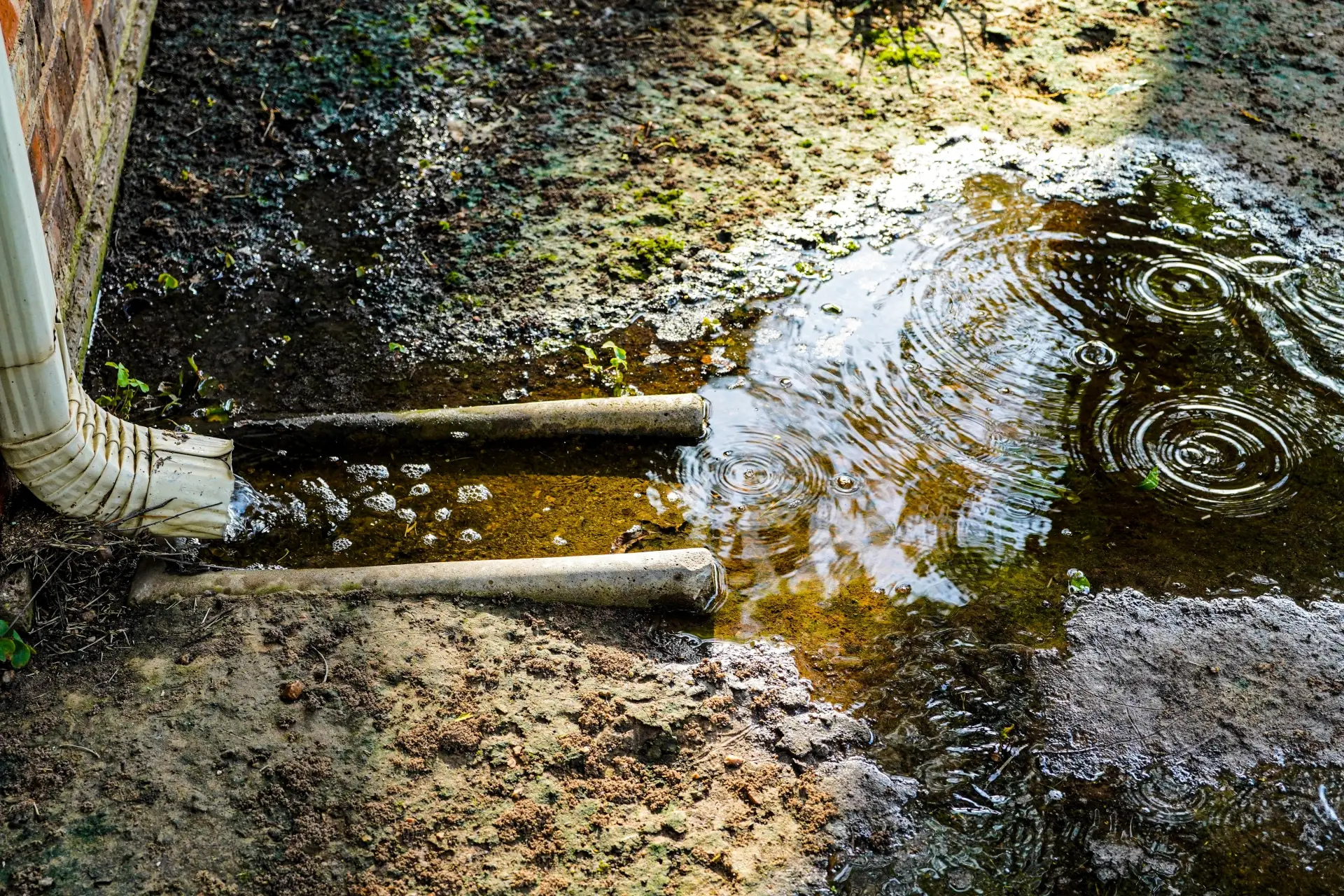
- Whether downspouts discharge away from the foundation;
- Whether water can leave the property during high tides;
- Whether crawl-space vents or doors are vulnerable to water entry;
- Whether a sump pump has a reliable discharge path;
- Whether retaining-wall drainage is functioning;
- Whether the foundation shows moisture-related deterioration; and
- Whether previous waterproofing or drainage work was installed correctly.
The Chronicle also reported that San Francisco had already experienced record October high tides, with additional high tides expected before the more significant king tides near Thanksgiving and Christmas. That timing matters because high coastal water can limit where stormwater goes after it leaves the property.
The city can install barriers and clean public drains. It cannot inspect the drainage path beneath your home.
That remains the homeowner’s responsibility.
This is why emergency preparation should include both:
- A household plan for alerts, access, power outages, and evacuation; and
- A property-specific review of drainage, foundation, crawl-space, retaining-wall, and moisture conditions.
A city emergency declaration is not a diagnosis of your property. It is a signal to stop assuming ordinary conditions will continue.
What homeowners should check before the next major storm
Gutters and downspouts
Check whether:
- Gutters are full of leaves or debris;
- Downspouts are disconnected;
- Extensions terminate beside the foundation;
- Water is discharged toward a crawl-space entrance;
- Buried connections are blocked; or
- Water flows toward a neighboring property or retaining wall.
The presence of a downspout does not prove the roof water is being managed properly.
The important question is where the water goes after it leaves the roof.
Exterior grades and hardscape
Walk the property during or immediately after rain.
Look for:
- Water flowing toward the home;
- Ponding beside foundation walls;
- Concrete or pavers sloping inward;
- Low areas near crawl-space vents;
- Soil placed high against the foundation; and
- Water collecting at the bottom of a slope.
A property can be outside a broad flood zone and still have serious localized drainage problems.
See What a San Jose Flood Map Can Tell You About Your Home, and What It Cannot.
Crawl spaces and basements
Check for:
- Damp soil;
- Standing water;
- Musty odors;
- Wet insulation;
- Efflorescence;
- Rusted nails or connectors;
- Deteriorated concrete;
- Water staining;
- Mold-like growth; and
- Moisture beneath a vapor barrier.
A crawl space does not need visible puddles to have a moisture problem.
Water may remain below the surface, behind a liner, or in the soil after the weather clears.
Read Why Is There Standing Water Under My House? and Why Does My Crawl Space Smell Musty?.
Retaining walls
Inspect retaining walls from a safe location for:
- Leaning;
- Bulging;
- Cracks;
- Seepage;
- Erosion;
- Soil movement;
- Blocked outlets; and
- Displaced caps or finishes.
Heavy rain can increase water pressure behind the wall even when the wall looked stable during dry weather.
Do not assume that applying a waterproof coating solves the problem. Water needs a controlled path out of the retained soil.
See Why Is My Retaining Wall Leaning? and When Waterproofing Makes Things Worse: Drain Boards Installed on the Wrong Side of the Foundation.
Watch for delayed problems after the rain
Some conditions become visible only after the storm.
Look for:
- New foundation staining;
- Efflorescence;
- Crumbling concrete;
- Soil erosion;
- New cracks;
- Doors that begin sticking;
- Floors that feel different;
- Water beneath crawl-space plastic;
- Sump-pump activity;
- Retaining-wall movement; and
- Damp insulation or framing.
The first storm may expose a weakness. A later storm may make it worse.
Photograph conditions before and after rainfall so you can determine whether the problem is recurring or worsening.
Related reading:
- Why Do My Doors Suddenly Stick in the Bay Area?
- Why Are My Floors Sloping in the Bay Area?
- Clay Soil and Seasonal House Movement in the Bay Area: What’s Normal?
- How Soil Affects Foundation Stability and When Repairs Are Required
Do not seal or encapsulate before finding the moisture source
When homeowners see a damp crawl space, the immediate recommendation is often:
- Install a vapor barrier;
- Encapsulate the crawl space;
- Add a dehumidifier; or
- Install additional ventilation.
Those measures may be appropriate in some homes.
But they should not be used to cover an unresolved drainage or foundation problem.
Before sealing the crawl space, determine:
- Whether water is entering from outside;
- Whether the retaining wall is draining;
- Whether the foundation is leaking;
- Whether the soil remains damp;
- Whether plumbing is contributing;
- Whether the existing liner is trapping moisture; and
- Whether the space can dry properly after rainfall.
A practical sequence may require correcting drainage, allowing the space to dry, evaluating damaged materials, monitoring humidity, sealing accessible concrete, and only then installing encapsulation or insulation.
Check existing drainage systems instead of assuming they work
If your home already has a French drain, sump basin, or other drainage system, inspect the accessible parts.
Look for:
- Blocked cleanouts;
- Broken grates;
- Full collection basins;
- Pump discharge beside the foundation;
- Crushed or disconnected pipes;
- Missing discharge routes;
- Water backing up at outlets; and
- Soil or debris covering system components.
A drainage system is only useful if it collects water, moves it, and discharges it to an appropriate location.
A short contractor visit may identify the existence of a pipe without determining whether the system is functioning.
See The Hidden Systems Under Your Home That Free Estimates Ignore.
Foundation and seismic conditions still matter during flood preparation
Flood preparation is not separate from foundation and seismic safety.
Water can contribute to:
- Foundation deterioration;
- Soil movement;
- Settlement;
- Corroded hardware;
- Deteriorated framing;
- Crawl-space inaccessibility; and
- Problems with existing retrofit connections.
Drainage work can also affect seismic work if trenching exposes, undermines, or conceals foundation and framing connections.
Before installing a new drainage system, understand:
- Where the foundation and footings are located;
- Whether the concrete is sound;
- Whether the soil has moved;
- Whether existing retrofit work is properly installed;
- Whether the proposed trench affects structural support; and
- Whether the work should be coordinated with leveling or foundation repair.
Read El Niño Is Strengthening: What Bay Area Homeowners Should Do About Drainage, Foundations, and Seismic Safety and The Real ROI of a Seismic Evaluation: Beyond the Insurance Discount.
Do not rely on a quick estimate for a complex property
A simple property may need a simple correction.
A complicated property may require coordination between:
- Drainage;
- Foundation;
- Settlement;
- Retaining walls;
- Crawl-space moisture;
- Seismic retrofit;
- Plumbing;
- Grading; and
- Future access.
The more connected the conditions are, the less useful a quick “peek and a number” becomes.
Before approving work, ask:
- What is causing the problem?
- Where will the water go?
- Is the foundation sound?
- Does this work affect settlement?
- Does it affect existing seismic hardware?
- What will be concealed?
- What should be documented before concealment?
- What can be deferred safely?
The goal is not to create a larger project. The goal is to avoid paying for one repair that leaves the actual cause untouched.
A practical homeowner preparation sequence
Before the next major storm:
- Check regional flood and emergency information;
- Clean gutters and confirm downspout discharge;
- Walk the property during or after rainfall;
- Photograph water paths and ponding;
- Inspect accessible crawl-space areas;
- Check sump pumps and discharge lines;
- Look for retaining-wall movement;
- Document foundation staining, cracks, or deterioration;
- Review previous drainage, foundation, or retrofit work;
- Avoid covering active moisture; and
- Arrange a property-specific evaluation if the source or severity is unclear.
No checklist replaces professional evaluation when conditions are concealed, structural, contaminated, or unsafe to access.
Local government can prepare. Homeowners still have work to do.
The City of San Jose, Santa Clara Valley Water District, San Francisco, and other agencies can improve public infrastructure and emergency response.
But no public agency will inspect every private crawl space, retaining wall, downspout, sump pump, foundation, or retrofit connection before the storm.
Homeowners need to understand their own property.
The question is not whether your city is prepared in a general sense.
The question is:
Is your property prepared for the way water actually moves around and beneath your home?
Avant-Garde provides paid, property-specific evaluations of drainage, foundations, crawl spaces, settlement, moisture, and related seismic conditions.
To submit your property information, visit:
Request a Drainage & Moisture Safety Visit
To see availability and book directly:
Related Reading
- California Declares a State of Emergency Ahead of El Niño: What Bay Area Homeowners Should Check Now
- El Niño-Driven Kelvin Wave Could Raise Bay Area Sea Levels by Up to One Foot
- Alameda County Ranked Among Least Prepared for Disasters: Why This Training and Your House Matter
- How We Work to Earn, Not Assume, Your Trust
- Is Avant-Garde the Right Contractor for Your Home? The Avant-Garde Dossier
- The Real Cost of a Cheap Seismic Retrofit and Why It Can Hurt You Twice
This article provides general construction information. It is not a structural-engineering report, geotechnical report, legal advice, medical advice, flood determination, or guarantee of future weather or property performance.