Powerful 7.2 and 7.5 Venezuela Earthquakes: Coastal Shock, Global Reminder for Bay Area Homeowners
San Francisco Bay Area
June 24, 2026
On June 24, 2026, two powerful earthquakes struck northern Venezuela just minutes apart, hammering the coastal region and the capital, Caracas.
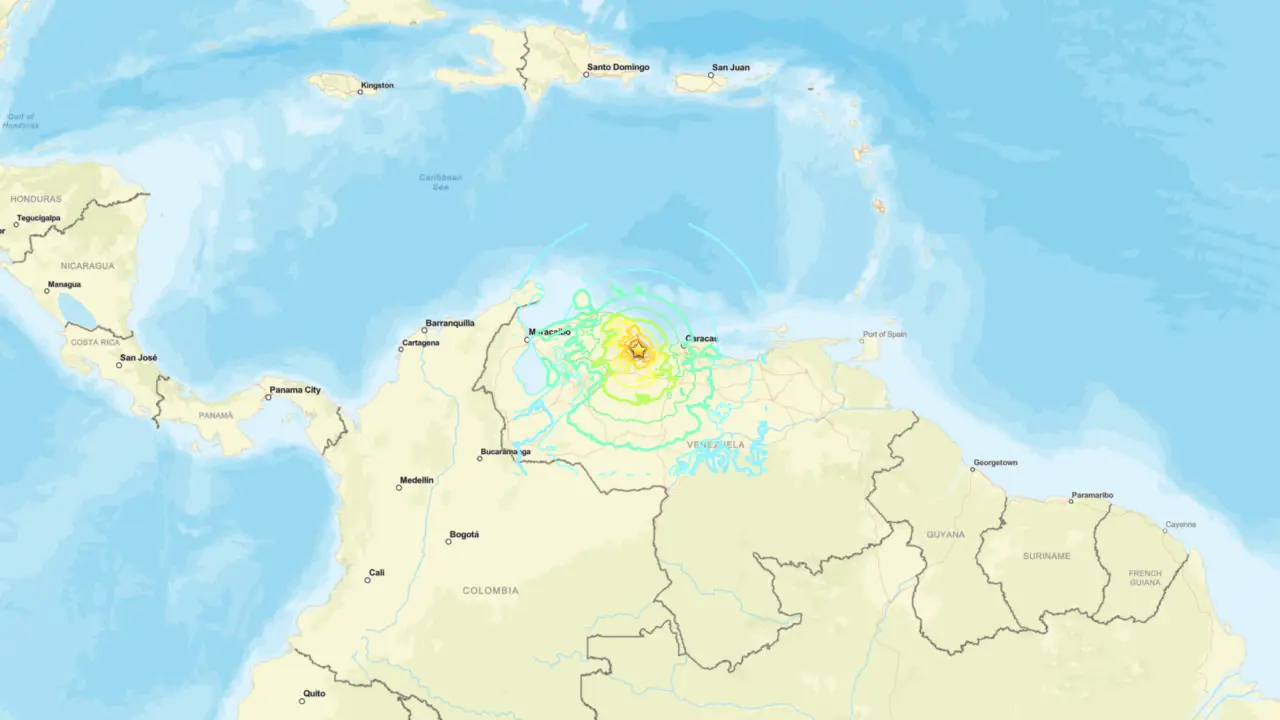
According to the U.S. Geological Survey and early news reports, the first quake was around M7.1–7.2 with its epicenter west of Morón on Venezuela’s Caribbean coast, at a depth of about 13 km (8 miles). A few minutes later, an even stronger M7.5 event struck nearby, with a shallower depth of roughly 10 km (6 miles). (apnews.com)
The shaking:
- Collapsed and heavily damaged buildings in Caracas
- Sent people fleeing into the streets, many staying outside for fear of aftershocks
- Triggered tsunami advisories for Puerto Rico and the U.S. Virgin Islands, though no damaging tsunami was ultimately reported. (huffingtonpost.es)
For Bay Area homeowners, the question is not “Will a Venezuelan quake trigger ours?” (it won’t). The question is:
“What does a pair of shallow 7+ coastal earthquakes tell us about our own risk – and what we’re doing (or not doing) about it?”
What Happened in Venezuela, in Plain Terms
Key facts from USGS and major outlets:
- Magnitudes: About 7.1–7.2 and 7.5, minutes apart (apnews.com)
- Location: Near the north‑central coast, west and southwest of Morón, ~168 km (104 miles) west of Caracas (apnews.com)
- Depths: Shallow – about 13 km and 10 km. Shallow quakes tend to produce stronger surface shaking. (apnews.com)
- Impacts so far:
- Structural collapses and severe damage in parts of Caracas
- Power outages, broken infrastructure, dust plumes, and disrupted services
- Tsunami alerts issued for portions of the Caribbean coastline, including Puerto Rico and the Virgin Islands
Venezuela has a history of destructive earthquakes near Caracas (notably in 1812 and 1967), and this pair of events continues that pattern of major coastal seismic risk intersecting with a dense capital city. (en.wikipedia.org)
Why This Matters to the Bay Area
The Bay Area is not Venezuela:
- Our primary faults (San Andreas, Hayward, Calaveras) are mostly strike‑slip, not subduction.
- Our building codes are, in general, more modern and better enforced.
But some similarities are too important to ignore:
- We are a densely populated coastal region on a major plate boundary.
- We have a huge inventory of older, non‑engineered or weakly upgraded buildings.
- We rely on aging infrastructure and utilities that can fail hard when shaken.
The Venezuelan quakes are another reminder that:
- Shallow, large‑magnitude events near the coast are not academic—they happen.
- The real damage often happens in buildings and systems that were never brought to modern standards.
We wrote about the Bay Area’s “Big One” context here:
Is the Big One Coming to the Bay Area?
Same Magnitude, Very Different Outcomes
A 7+ earthquake is always serious, but its impact depends heavily on:
- Depth and distance
- Local soil and topography
- Building age and construction quality
- Retrofit status and enforcement
Venezuela’s back‑to‑back quakes show what happens when:
- Older and vulnerable buildings are hit by strong, long‑period shaking
- There is limited, uneven retrofit work and enforcement
- People have to literally run out of swaying apartments and offices as walls fall away (apnews.com)
For Bay Area owners, the lesson is not “panic” but:
“The same magnitude here will test our weakest houses and systems just as brutally as it is testing Caracas.”
Those weak points in our region are often:
- Unbraced cripple walls and unbolted sill plates
- Soft‑story garage levels under living spaces
- Old crawl‑space posts and piers that were never engineered
- Wet, undermined foundations
Good starting points:
- Under Your Home: The Bay Area Crawl‑Space & Foundation Guide
- Bay Area Soft-Story Homes: Why You Must Retrofit Now to Avoid $150,000+ in Earthquake Losses
Cascadia, Coastal Subsidence, and the Wider West Coast
The Venezuelan quakes also echo a broader coastal story:
- Big offshore or near‑shore earthquakes can shake cities
- They can also trigger tsunami and coastal subsidence in the right tectonic setting
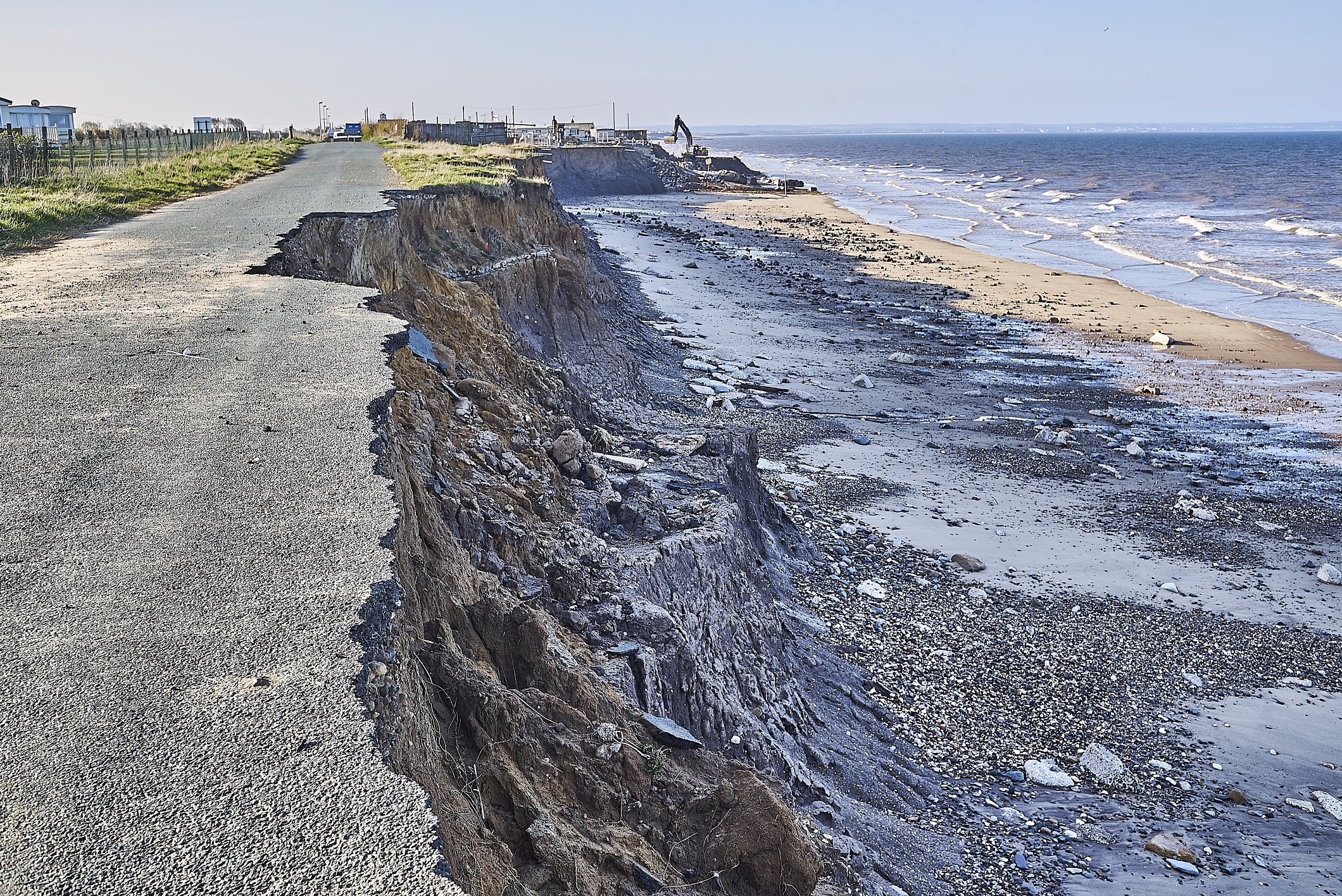
A NOVA piece on the Cascadia Subduction Zone drives this home: a future M8–9 off the Pacific Northwest could not only create a tsunami but literally drop parts of the coastline by several feet, permanently changing where the waterline sits.
For the Bay Area, Cascadia is to our north, but that system:
- Can send tsunami waves into parts of the West Coast
- Is part of the same larger plate system we live on
While the San Andreas is not a subduction interface, the combination of fault types on our coast means:
- We need to think beyond “one fault, one scenario”
- Coastal communities and fill areas (liquefaction, settlement) need serious attention
What You Can Do With This Information (Locally)
You can’t change Venezuelan construction history or West Coast plate motions. You can absolutely change how vulnerable your house is before our next big event.
Step 1 – Understand your structure today
If your home has never been evaluated:
- Start with a proper seismic/foundation assessment, not a drive‑by estimate:
If your home is already “retrofitted” and you’re not sure how well:
- Consider a second opinion focused on verifying what was actually done:
Step 2 – Decide your performance target
Ask yourself:
- “Do I only care that the house doesn’t collapse?”
- “Or do I want something I can repair and live in afterward?”
That drives whether you:
- Stop at a minimum brace‑and‑bolt job
- Or pursue a full load‑path retrofit, addressing crawl space, soft‑story, foundation condition, and drainage
Guide to that decision:
How to Set Earthquake Performance Goals
Step 3 – Fix the obvious, cheap stuff now
The Venezuelan quakes also show the chaos after big shaking:
- Power issues
- People stuck in damaged high‑rises
- Falling contents, broken glass, and internal hazards
At the house level, you can cut risk fast by:
- Strapping water heaters
- Securing tall furniture and TVs
- Using child latches on heavy cabinet doors
- Knowing how to shut off gas and power
Checklist:
How to Prevent Fires After an Earthquake
The Takeaway
The back‑to‑back M7+ earthquakes in Venezuela are not an omen for California. They’re a real‑world example of what large, shallow, coastal earthquakes do in countries with vulnerable buildings and uneven enforcement. (apnews.com)
For the Bay Area, the smart move is to:
- Treat every major global quake as a free case study,
- Ask how our own housing stock and infrastructure would fare under similar shaking, and
- Act now, while nothing is broken, to strengthen the houses we actually live in.
If you’re done just watching earthquakes on the news and want to know where your home really stands, that’s exactly what we help Bay Area owners figure out every day:
Seismic, Foundation & Drainage Services