How to Prevent Fires After an Earthquake
Earthquakes can be bad enough. They can be damaging, life-threatening, and honestly, pretty frightening.
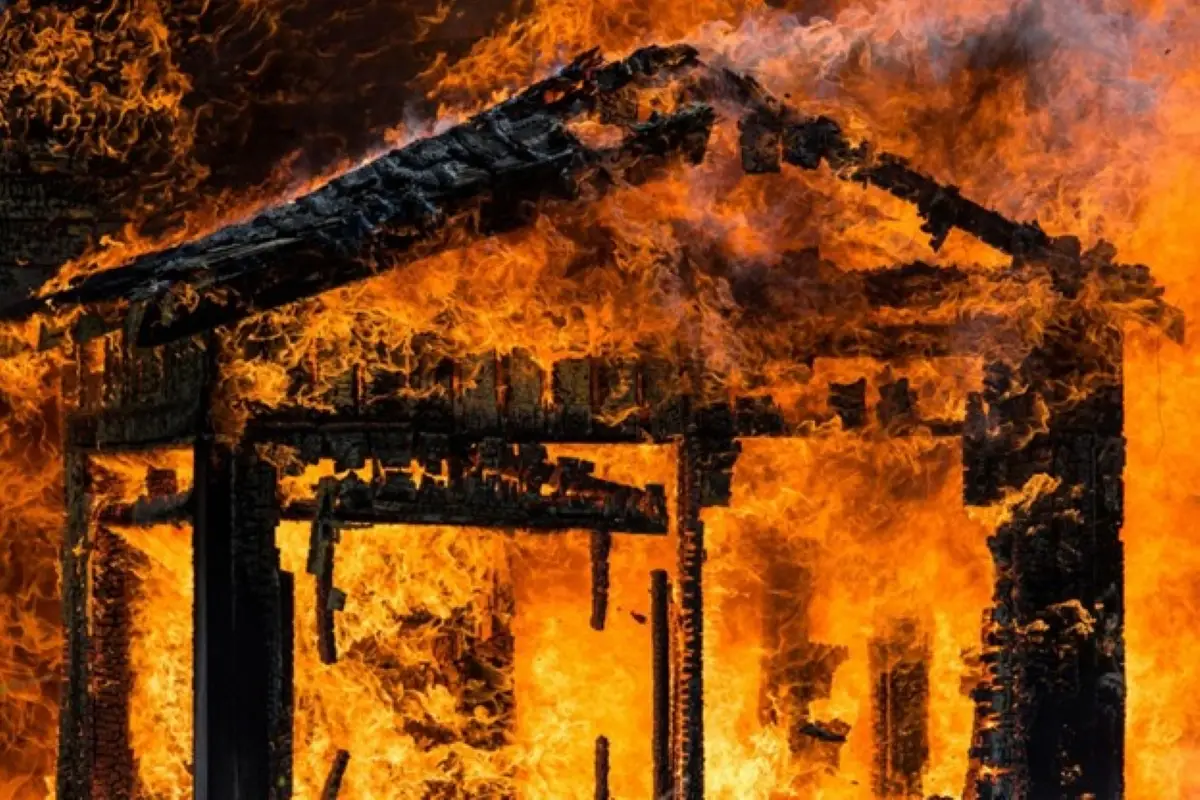
Something that doesn’t get thought about enough, unfortunately, though, are fires after earthquakes. And, they’re more common than you may think. Damaged gas pipes, electrical cords, and even appliances can cause a fire that can spread rapidly.
Because of this, it’s remarkably important to know how to prevent fires after an earthquake. It can reduce further damage and, most importantly, protect life.
How Fire Occurs After an Earthquake
The main causes of fires after an earthquake are caused by sparks. Therefore, it can be caused by:
Gas Leaks
Commonly, earthquakes can crack gas pipes or pull appliances from their connections. As a result, flammable gas can leak. In such a situation, a small ignition source is all it takes for this gas to erupt into flames.
It’s much more common than you think as well. In fact, one in four fires after an earthquake is related to natural gas leaks. Therefore, it’s not a “one-off” circumstance; it’s something that regularly appears after a quake.
Electrical Hazards
Sometimes, strong shaking can also damage electrical wiring, outlets, and appliances.
Live wires may short-circuit or spark in this situation. This could be enough to start a fire, for example, igniting a gas leak.
Often, these are less hazardous than gas leaks. However, they can ignite the gas leak, which could be a serious issue.
Appliance Damage
During heavy earthquakes, heavy appliances and heating equipment can be particularly vulnerable.
A common culprit is actually a water heater. If it isn’t strapped down properly, it can fall over, ripping apart the gas or water lines that are attached. When this occurs, all ignition can create a huge first fire that’ll spread.
Similarly, you may have a gas stove, a fireplace, etc., that could topple over and cause potentially fire-starting issues.
Why Fires Caused by Earthquakes Are a Problem
After an earthquake, the danger doesn’t stop. Post-quake fires can be a serious problem that can compound the disaster.
Increased Damage
A good example of this with the San Francisco earthquake back in 1906. This earthquake was devastating, but it wasn’t from the quake itself; it was from the fires that occurred.
Dozens of blazes occurred during this earthquake, which was caused by ruptured gas mains. This resulted in 80% of the destruction from the quake, and it levelled over 25,000 buildings across 490 blocks in the city.
Delayed Response
After an earthquake, emergency services are likely to be strained. First responders are already trying to assist those most in need.
Not only this, but they may find it hard to access certain locations. Trees or power lines, for example, could be blocking roads.
As a result, fires can become uncontrollable and sometimes, untreated (immediately). That’s why every prevention method is essential.
Rapid Fire Spread
A major earthquake can also spark multiple fires at the same time, which can overwhelm fire departments.
Adding to this, strong winds and dense neighborhoods can make this citation worse. This can increase the rate of fire spread, making the damage even worse.
Going back to the San Francisco earthquake in 1906. During this, 30 different fires ignited and raged for three days straight.
Slower Recovery
The more fire damage that occurs, the longer it’ll take a community to recover from an earthquake.
Simply, some homes may have been repairable after the earthquake. Perhaps they only had small cracks or something similar. Adding a fire, though, could completely destroy the home.
Risk to Lives
Alongside the above, uncontrolled fires pose a huge risk to human life. People can become trapped in a burning building or overcome by smoke, which could be life-threatening.
For example, in the 1923 Tokyo earthquake, the fire caused by such a quake killed tens of thousands of people. This was far more than the actual fatalities from the earthquake itself.
How Can We Prevent Fires from Earthquakes
You can’t stop an earthquake. They’ll happen when they happen. However, you can take smart steps to prevent fires that may follow it.
Install an Automatic Gas Shut-Off Valve
One of the best defenses against post-quake fires is a seismic gas shut-off valve. These devices attach to your building’s gas meter and automatically cut off the gas flow when shaking is detected.
Shutting off the gas right away greatly reduces the chance of gas leaks and ultimately, post-quake fires. Therefore, it’s a superb installation to consider if you live in an earthquake-prone area.
Secure and Maintain Gas Lines
Making sure your home’s gas infrastructure is earthquake-ready is also essential.
For example, on gas appliances, like stoves, dryers, water heaters, etc., you can use flexible connectors instead of stiff pipes.
Alongside this, you can anchor those appliances to walls or floors. This will reduce the chances of the connections coming loose.
In other words, you’ll reduce the chances of gas leaks after a quake. Therefore, it reduces the risk of a gas leak fire occurring.
Address Chimney and Brick Hazards
Many older homes have unreinforced brick chimneys or walls that pose a massive fire risk.
Brick chimneys can easily crack or collapse in an earthquake. In this situation, heavy debris can come crashing through the roof or onto the ground.
Apart from the direct impact of danger, a collapsing chimney can knock over a wood stove or scatter burning coals into the house. This, in turn, can be a fire hazard.
Going back to the 1994 Northridge earthquake, this quake damaged over 15,000 brick chimneys in the Los Angeles area. Therefore, it’s definitely a problem to address.
Retrofit for Complete Earthquake Safety
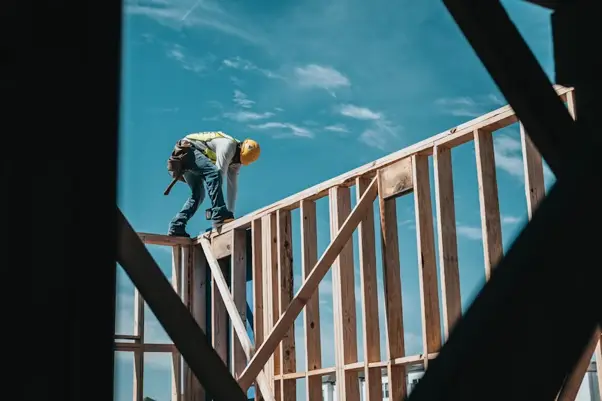
Including the above, you should consider an earthquake retrofit for your home.
Simply, a structurally sound house is far less likely to shift, collapse, or break anything that may cause a fire.
For example, let’s say your home isn’t bolted to its foundation properly. If an earthquake happens, gas lines can rupture from the movement, causing a fire hazard.
A seismic retrofit, though, addresses these problems. It ensures your house is protected to a certain degree from earthquakes, reducing the chances of damage.
Why Prevention for Earthquake Fires Can Pay Off
Though investing in prevention may seem like a costly bill, ensuring your home is protected will protect your home, investment, family, and neighbors.
Prevents Costs Less Than Repair
Investing in precaution is much cheaper than dealing with the aftermath of a fire.
For example, the cost of installing a seismic gas shut-off valve or bracing a water heater will be much more affordable than fixing the damage of a fire.
Therefore, although it may feel like an “extra” cost now, the costs it could prevent you from incurring in the future are much greater.
It Protects Your Property and Family
Beyond the dollars and cents, these safety measures can protect what matters most to you. Your home and loved ones.
A fire-safe house is less likely to catch on fire. Therefore, it’s one less thing you need to worry about during and after an earthquake.
Alongside this, it keeps a roof over your head. Something that is extremely important after catastrophic quakes.
Helps Save the Lives of Others
Fire prevention isn’t only a personal benefit, either. It can protect your entire community.
Simply, if your home is protected against the common after-quake fires, you’re not only protecting your household, you’re also protecting your neighbors and first responders.
Every avoided fire is one less crisis for firefighters to tackle, which, in such circumstances, will be stretched as is.
It could even mean that these firefighters could respond to a different issue, as your house is protected, potentially saving another family.
Conclusion
Earthquakes are inevitable. It’s not if they will happen, it’s more about when they will happen.
However, devastating fires afterward can be avoided. Property owners can invest in certain prevention measures to dramatically reduce the chances of starting and spreading a fire.
Simple upgrades, for example, an automatic gas shut-off valve, can massively lower the chances of gas leaks – something that is a huge culprit for starting fires after an earthquake.
That being said, protecting from after-quake fires is essential. It not only protects your home and family, but it also helps your neighbors, community, and first responders.
For more information about how you can make your property more fire-prone, feel free to contact us. We’re professionals in protecting homes from earthquakes in the San Francisco Bay Area.