Is the “Big One” Coming to the Bay Area?
San Francisco Bay Area homeowners live above some of the most active earthquake faults in the world.
For decades, experts have warned those in the area of “the Big One”. This will be a catastrophic earthquake that will eventually happen in the region.
In fact, scientists say there’s a 72% chance of a major earthquake (something with a magnitude of 6.7 or greater) hitting the Bay Area by 2043.
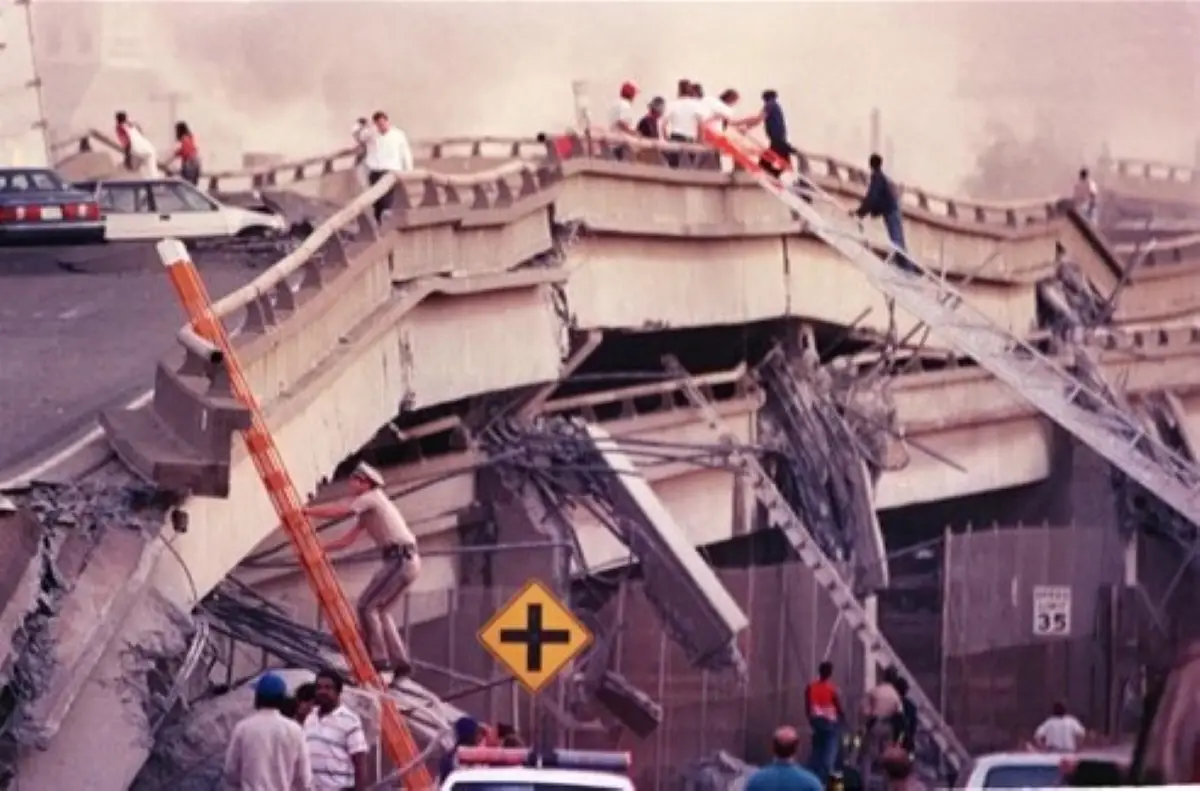
The last “Big One” was back in 1989. The Loma Prieta earthquake was a magnitude of 6.9, and it killed 63 people, injured 3,757, and left somewhere in the region of 3,000 to 12,000 people homeless.
Yet as the memories of the 1989 incident fade, the Bay Area grows. Therefore, the potential threat has only increased, meaning homeowners need to prepare.
The “Big One” Threat in the Bay Area
The main threat to the “Big One” in the Bay Area is the San Andreas Fault. This runs from Southern California through the Bay Area and is the culprit for California’s most devastating quakes.
Alongside this fault, however, is another. There are several that crisscross the regions, too. For example, the Hayward Fault. Scientists even suggest that this fault is a “tectonic time bomb” waiting to go off.
Equally, together or not, these threaten the livelihood, properties, and infrastructure of those living in the Bay Area.
Can One Earthquake Trigger Another?
Scientific discoveries have suggested that a massive earthquake in one region can trigger another nearby. Considering Bay Area residents live near so many faults, the chances of this happening are remarkably high.
The Two Faults That Define the West Coast
There are two main faults in the West Coast area. These are the Cascadia Subduction Zone and the San Andreas Fault.
The Cascadia Subduction Zone lies offshore from Northern California up through British Columbia. It’s considered a megathrust fault. Therefore, it is capable of producing earthquakes of up to magnitude 9.0.
On the other hand, the San Andreas Fault runs directly through California, including the Bay Area. It’s a strike-slip fault and is responsible for California’s largest inland quakes, including the 1906 San Francisco earthquake and the 1989 Loma Prieta quake.
What the Science Says About Fault Interaction
Historically, scientists believed that the two faults acted independently. However, research led by Chris Goldfinger, a paleo seismologist at Oregon State University, suggests otherwise. He claims that they found evidence of “partial synchronization” between the two.
Within their research, he and his team found that in the past 3,000 years, a large Cascadia quake was followed by a San Andreas quake within hours or days. The most recent event was around the 1700s.
What If Both Quakes Hit Together?
If this occurs, Goldfinger believes it will “redefine the concept of earthquake hazards in the western US. A major quake from Cascadia would be catastrophic. Match this with one from San Andreas soon after, and it’ll be devastating.
In such a situation, San Francisco, Portland, Seattle, and Vancouver could all face crises at the same time. This could have a dramatic impact on the entire disaster response system across the West Coast.
How Likely Is a Double Quake?
Thankfully, double quakes are rare. Both the Cascadia and San Andreas faults rupture every few hundred years, so the odds of them striking close together are very low.
What a Major Earthquake Would Mean for Bay Area Residents
A major Bay Area earthquake could be violent and chaotic. This is mainly due to our older buildings. Some aren’t equipped with the right seismic protection, which can cause them to collapse and threaten lives.
Casualties and Damage
If a hypothetical 7.0 quake happened in the area, models like the USGS’s HayWired scenario predict upwards of 800 people killed and 18,000 injured.
The main cause of this would be from collapsed buildings. However, hundreds of fires could also ignite from ruptured gas lines, adding to the risk.
Infrastructure and Utilities
Key bridges and highways might also get ruined due to a quake of 7.0. In the past, sections of the Bay Bridge and Cypress Freeway fell.
More than likely, power would go out as well. Water and gas lines will also get damaged. HayWired’s report even suggests that some hardest-hit areas will be without full water for 6 months.
Transportation can even come to a halt. Roads may be clogged with traffic and rubble, trains will stop, etc. Communication networks could possibly also fail.
Homes and Buildings
Even within today’s building codes, many structures wouldn’t be usable after a massive earthquake. These codes focus on life-safety, aka preventing total collapse, rather than preventing major damage to the property.
Within the HayWired report mentioned above, the same scenario suggests that even if all buildings in the Greater San Francisco Bay Area complied with modern building codes, 8,000 structures would collapse, 100,000 would be red-tagged, and 390,000, yellow-tagged.
Daily Life in the Aftermath
For residents, a big earthquake means weeks to months of disruption. You may even be without electricity, gas, or water for days—or longer.
Grocery stores and pharmacies will likely be closed or evacuated, schools and workplaces will likely be shut down until the building has been evacuated, and emergency services will be on a tight rope, dealing with all the injuries and fires.
In a “Big One” scenario, where potentially two faults erupt at the same time, many say that there simply will “not be enough resources to respond”.
How Bay Area Homeowners Can Prepare for the Big One
While we can’t completely prevent quakes, we aren’t helpless. We’re able to prepare smartly to reduce injuries and damage to your home. Here’s how:
Seismic Retrofit Your Home
If your house is older, for example, built before the 1980s or 90s, have a professional elevate its earthquake resilience.
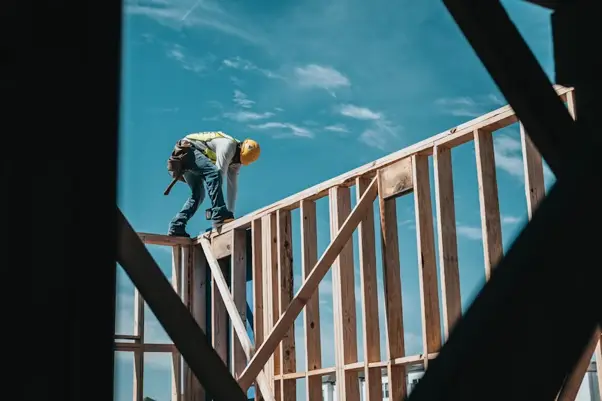
You may find that your property needs a seismic retrofit. This is the process of making it more earthquake-ready, by, for example, bolting the house to its foundation and bracing crawl-space walls.
For some homes, California also offers rebate programs. For instance, the Earthquake Brace + Bolt (EBB) program.
Secure Heavy Furniture & Appliances
Inside your home, you can also reduce hazards by bolting heavy furniture and appliances to solid objects.
For example, bolting a tall bookcase to the wall, strapping your water heater to the wall, using safety latches on cabinets, etc.
This may seem very minor at first. However, in past quakes, many injuries were caused by falling furniture or flying objects.
Build an Emergency Supply Kit
After a big quake, you and your family may be on your own for several days. Therefore, assemble a kit of at least 3 days of water, food, and essentials for everybody.
That means at least 1+ gallon of water per person per day (don’t forget pets), packing non-perishable goods, first aid supplies, flashlights, batteries, solar-powered equipment, and crucial medications.
Don’t just create this emergency supply kit and forget about it, either. Remember to refresh your supplies every 6 to 12 months so nothing expires.
Have a Family Emergency Plan
In a major disaster, your family members might be in different places when it strikes. As a result, it’s a good idea to plan how you’ll reunite or communicate.
In such a plan, detail where you’ll meet if XY or Z happens and how you’ll communicate (for example, remembering phone numbers to call, etc.).
Prepare Your Home Utilities
When an earthquake happens, gas valves can cause leaks and fires. Therefore, it’s best to have an automatic gas shut-off valve installed.
If you do not have one, it is good to understand how to turn off your gas valve in such situations. Keep a wrench or, especially, a gas shut-off tool near the meter and only turn it back on after a professional has inspected it.
Get a Professional Seismic Assessment
No one can predict exactly when the “Big One” will strike the Bay Area. However, one day, it will happen; it’s just a matter of when.
As a homeowner, one of the most responsible moves you can make is to ensure your property is resilient. You can do this through a seismic safety assessment.
If your property isn’t deemed strong enough, you can then consider a seismic retrofit. This is the process of improving your property’s foundation and structure to boost seismic performance.
At Avant-Garde, we can help with both. Protect your loved ones and investment now by contacting us. See how we can protect your future today.