Why All Earthquake Retrofits Aren’t Created Equal
San Francisco Bay Area
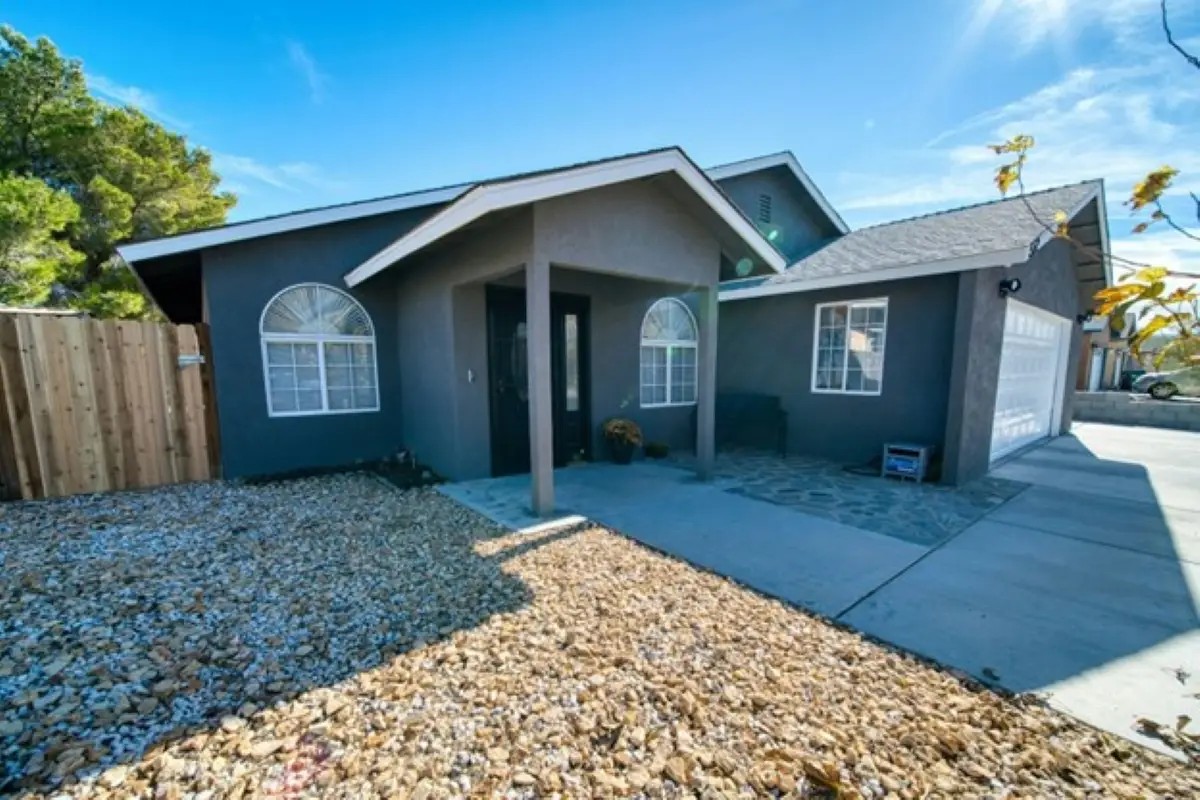
After every major earthquake in the Bay Area, the pattern is always the same. Some houses suffer catastrophic damage while others right next door stay intact. Both built around the same time, in the same style, on similar soil. The difference isn't luck. It's preparation.
- Admin

After every major earthquake in the Bay Area, the pattern is always the same. Some houses suffer catastrophic damage while others right next door stay intact. Both built around the same time, in the same style, on similar soil. The difference isn’t luck. It’s preparation.
At Avant-Garde, we’ve been doing earthquake retrofits throughout the Bay Area since 2009. We’ve completed over 3,000 homes and seen firsthand the difference between work that technically passes inspection versus work that actually protects a home when the ground shakes.
There’s a huge gap between minimum code compliance and truly effective protection.
Most homeowners don’t realize this until it’s too late.
Let me walk you through what really matters in a quality retrofit, and why so many contractors get it wrong.
Most contractors offer retrofits for only the bare minimum requirements, and often, they even get that wrong. Further, these minimum standards were created as a compromise between safety and cost. They represent the absolute least you should do, not what will provide the best protection.
Here’s what typically happens with basic retrofits:
Limited Assessment
Basic retrofit contractors often spend 15-20 minutes or less at your home. They peek into your crawl space, take a few measurements, and hand you a quote for the minimum required work. Their assessment rarely includes a thorough evaluation of your home’s unique vulnerabilities or structural challenges.
Minimum Hardware
Basic retrofits typically use the minimum number of foundation connections required by code. For example, code might require bolting your home to the foundation every six feet, but this doesn’t account for unique features of your home that might create weak points.
Standard Templates
Many contractors use the same generic retrofit approach for every house, regardless of age, construction style, or specific vulnerabilities. They follow a templated plan without considering your home’s unique needs.
Focus on Price
Contractors offering basic retrofits compete mainly on price, which means they’re motivated to work quickly and use less expensive materials. This often results in cutting corners that might not be visible but will matter during an earthquake.
Failure to even meet the Minimum Standards
Many contractors are incorrectly installing too few URFPs and using the number of L90s required, but using L70s or A35s instead (which require more).
Many times, their proposals also do not list how many URFPs and L90s they are installing, or even what hardware they are using at all.
We typically see contractors not installing the bolts as required 6″ from the mudsill ends and splices. Other times, they are also not placed every 6′ on center.
Typically, we see them simply using the minimum number of bolts listed in the Plan Set A table.
Most contractors often overlook all of the requirements when determining the required number of URFPs.
We see many contractors incorrectly only follow the table, and not the other spacing requirements, leaving homeowners vulnerable and with a false sense of security.
Additionally, almost every other contractor is using nails in the seismic connectors. While this is acceptable, it is not advised.
The old lumber is “dry” and nails have a higher chance of splitting the wood, and the nails are also at risk of “pull-out” during a seismic event.
Further, structural screws have higher load values, higher withdrawal ratings, and are far less likely to cause any splits in older lumber.
What Premium Retrofits Include That Basic Ones Don’t
A premium seismic retrofit looks beyond minimum requirements to provide comprehensive protection designed specifically for your home. At Avant-Garde, our earthquake retrofit Bay Area specialists approach each project differently. Here’s what makes the difference:
Comprehensive Site Assessment
Our full site visits take at least 2 hours. We thoroughly examine the entire sublevel of your home, including the crawl space, basement, foundation, and all structural elements. We take detailed measurements and photos to document current conditions.
Instead of just a quick estimate, you receive:
- Itemized details for all recommended options
- A detailed, to-scale drawing of your home
- Photos from within your crawl space
- Clear explanation of minimum requirements versus premium options
Superior Connection Hardware
Premium retrofits use higher-quality foundation bolts, stronger connectors, and more attachment points than minimum code requires. For example, while basic retrofits might use standard expansion bolts, premium retrofits often use specialized epoxy-set anchors that provide superior holding strength.
We might recommend additional foundation connections in critical areas, especially near corners or where different parts of the house meet. This creates a continuous load path that distributes earthquake forces more effectively.
Customized Solutions
Every house is unique, especially in the Bay Area where homes span decades of different building techniques. Our foundation retrofit approaches account for the specific challenges of your home’s construction, lot characteristics, and potential vulnerabilities.
For homes with large openings or unique architectural features, we often recommend specialized solutions like moment frames or custom steel reinforcements that preserve the character of your home while providing quality seismic protection.
Additional Reinforcement Areas
Basic retrofits typically focus only on the connection between your house and foundation. Premium retrofits address multiple vulnerability points:
- Foundation quality and integrity
- Cripple wall bracing with proper plywood thickness and nailing patterns
- Floor-to-wall connections throughout all areas
- Reinforcement around large openings like garage doors
- Beam, post, and pier connections
- Headed-out beams and joists
- Automatic gas shut-off valves
- Water heater strapping
Professional Quality Control
Premium brace and bolt retrofit projects are installed by experienced professionals who specialize in seismic work, not general laborers, day-laborers, or subcontractors. At Avant-Garde, we use only our own skilled employees who take pride in their work and undergo specialized training.
Our team follows detailed quality control procedures, with supervisors checking and photographing work at multiple stages. This ensures every connection is properly installed and all structural elements are correctly reinforced.
The Hidden Details That Make a Difference
Some of the most important differences between basic and premium retrofits aren’t visible once the work is completed, but they can determine whether your house survives a major earthquake, and you will have photos of all the steps. Here are some examples:
Nailing Patterns
In cripple wall bracing, the pattern and spacing of nails attaching plywood to framing members significantly impacts strength. Basic retrofits often use wider nail spacing to save time and materials. Premium retrofits use tighter nailing patterns that provide dramatically improved shear resistance.
Foundation Evaluation
Many contractors proceed with bolting to your existing foundation without checking its condition. Premium retrofit contractors evaluate your foundation’s integrity first and address any issues before adding retrofit elements. Sometimes, portions of a deteriorating foundation need repair or replacement before a retrofit can be effective. Other times, different types of anchors should be used.
Blocking and Framing Work
Premium retrofits include careful blocking and framing with structural screws to ensure all building elements are properly aligned and connected. This detailed work takes more time but creates a solid, integrated system rather than a series of disconnected reinforcements.
Addressing Water Issues
Water is a major enemy of structural integrity. Premium retrofits often include addressing drainage issues that could undermine your foundation over time. We frequently recommend French drains and sump pumps/ dry-wells as part of a comprehensive protection approach.
Real-World Performance Differences
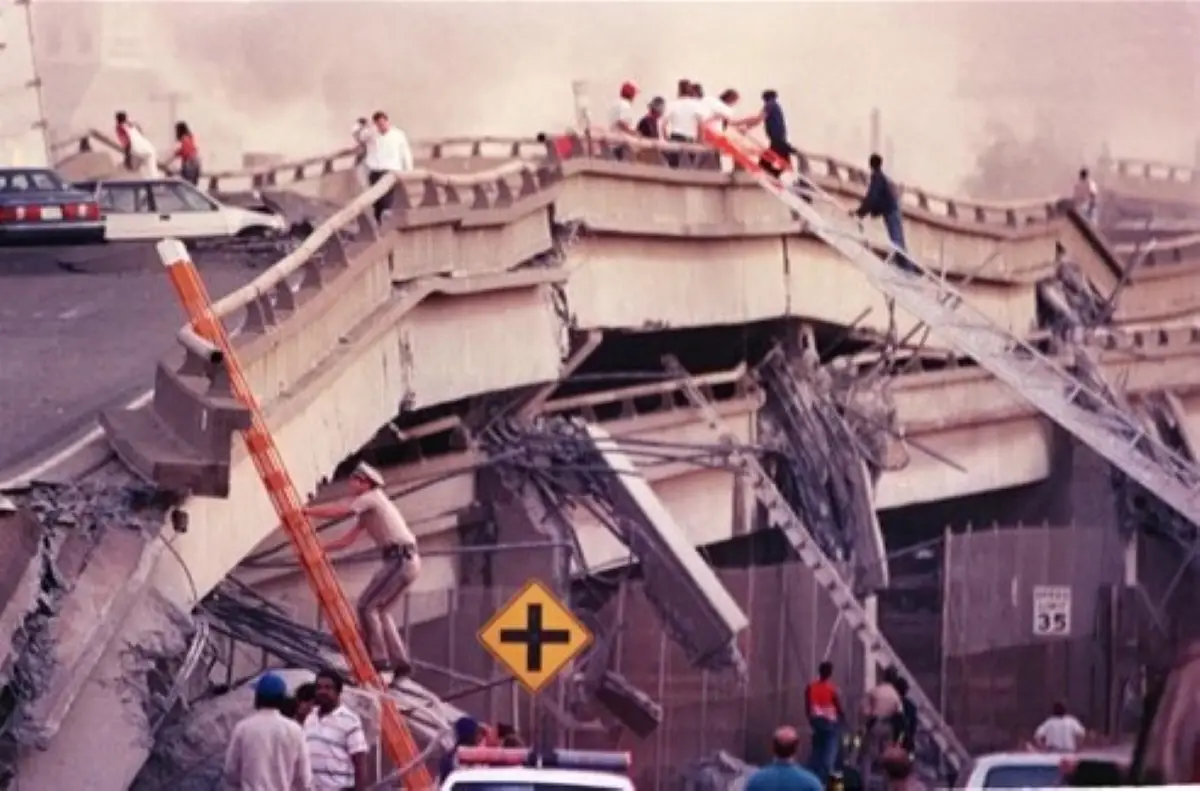
Following the 1989 Loma Prieta and 1994 Northridge earthquakes, structural engineers studied home performance extensively. Properly retrofitted homes suffered significantly less damage than non-retrofitted homes, but even among retrofitted homes, there were clear differences in performance based on retrofit quality.
Homes with comprehensive retrofits that addressed multiple vulnerability points consistently outperformed those with only basic foundation bolting. The difference often meant the difference between minor repairs and total loss.
Investment Value of Premium Retrofits
A basic retrofit might save you money upfront, but premium retrofits often provide better long-term value for your earthquake home protection investment:
Insurance Benefits
Many insurance companies offer discounts for homes with documented premium retrofits, potentially saving you money year after year.
Resale Value
Home inspectors increasingly note the quality of seismic retrofitting in their reports. Premium retrofits can become a selling point, while basic ones might be flagged as needing upgrades.
Grant Compatibility
Both the EBB retrofit (Earthquake Brace + Bolt) and ESS retrofit (Earthquake Soft-Story) grant programs require retrofits to meet specific standards. As a trusted seismic retrofit contractor, we ensure our work meets and exceeds these requirements, helping you qualify for maximum Bay Area retrofit grants.
Peace of Mind
The true value of a premium retrofit is knowing your family and home are properly protected. Our clients often tell us the peace of mind is worth far more than the cost difference between basic and premium options.
Making the Right Choice for Your Home
At Avant-Garde, we don’t believe in pushing the most expensive option on every customer. That’s not how we’ve built our reputation over the years.
We do believe homeowners should understand all their options. Some people have budget constraints, and sometimes a basic retrofit is better than no retrofit at all. Other homeowners want the highest level of protection possible for their family home.
Whatever your situation, we show you exactly what different levels of protection mean for your specific house. No pressure tactics, no one-size-fits-all solutions.
Many customers tell us the most valuable part of working with our team was simply understanding what they were paying for and why certain details mattered. That knowledge helps you make the right decision for your family.
If you’re thinking about a retrofit, contact us for an assessment. We’ll examine your home thoroughly, explain your options in plain language, answer your questions, and help you figure out what makes sense for your situation.
Your home protects everything that matters to you. Make sure it’s ready when the ground starts shaking.