Can You Retrofit Over a Bad Foundation?
A lot of Bay Area homeowners hear some version of this:
“Yeah, the foundation’s not perfect, but we can still brace‑and‑bolt it. It’ll be way cheaper than replacing anything.”
So you’re left wondering:
- “Can we just retrofit over the existing foundation?”
- “Is that safe?”
- “Is a contractor trying to save me money… or themselves hassle?”
The short answer: you can physically install retrofit hardware on a bad foundation. The question is whether it will actually perform when you need it.
This article explains when retrofitting over a compromised foundation is reasonable, when it’s a waste of money, and how to tell the difference.
1. What Counts as a “Bad” Foundation?
You should be cautious about retrofitting directly on foundations with:
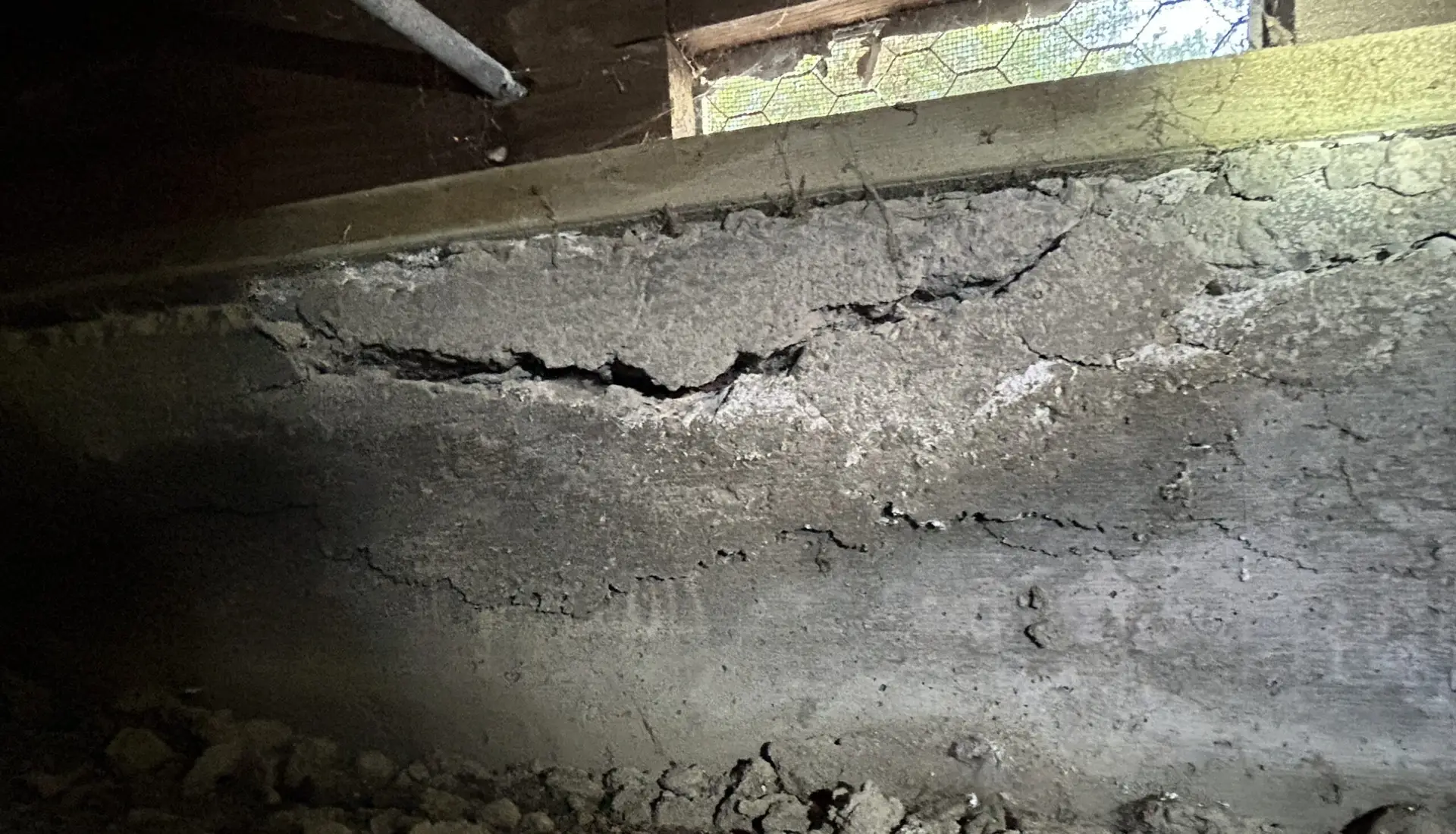
- Significant cracking, especially wide or stepped cracks
- Spalling, delamination, or surface “shelling off”
- Severe efflorescence and long‑term moisture damage
- Mudsills at or below grade with rot or termite activity
- Signs of active movement (tilting, settlement, heave)
We break these issues down here:
Water Damage in Concrete Foundations: Causes & Signs
And what we do about them here:
Foundation Services: Repair, Replace & Reinforce in the Bay Area
2. What Retrofit Hardware Needs to Work
Seismic hardware assumes:
- Sound concrete with enough thickness and strength to hold anchors
- Solid mudsills that can transfer load into the framing
- Correct embedment depth and spacing for anchors and bolts
If those conditions don’t exist:
- Anchors can pull out or split the concrete
- Rotten mudsills can crush or tear away from hardware
- The “retrofit” becomes a decorative upgrade, not a structural one
Think of it like this: installing great seatbelts in a car whose floor is rusted out doesn’t make the car safer.
3. When Retrofitting Over a Flawed Foundation Might Be Acceptable
There are cases where limited retrofit work over an imperfect foundation can be reasonable:
- Foundation has minor, stable cracking but decent overall integrity
- You need interim risk reduction while budgeting for future foundation work
- Work is clearly scoped as “upgrade on existing conditions”, not sold as a full, long‑term solution
Conditions that make this more acceptable:
- Problems are localized, not global
- No major active movement
- No severe rot at mudsills or framing
- Everyone is honest about the limitations
In those cases, we might prioritize:
- Improved connections where concrete is still strong
- Localized reinforcement or sistering near problem zones
- Documenting existing conditions thoroughly so future work is informed
4. When Retrofitting Over a Bad Foundation Is a Waste of Money
It’s usually a bad idea to retrofit directly over a foundation that:
- Is already past its service life
- Is actively moving or deteriorating
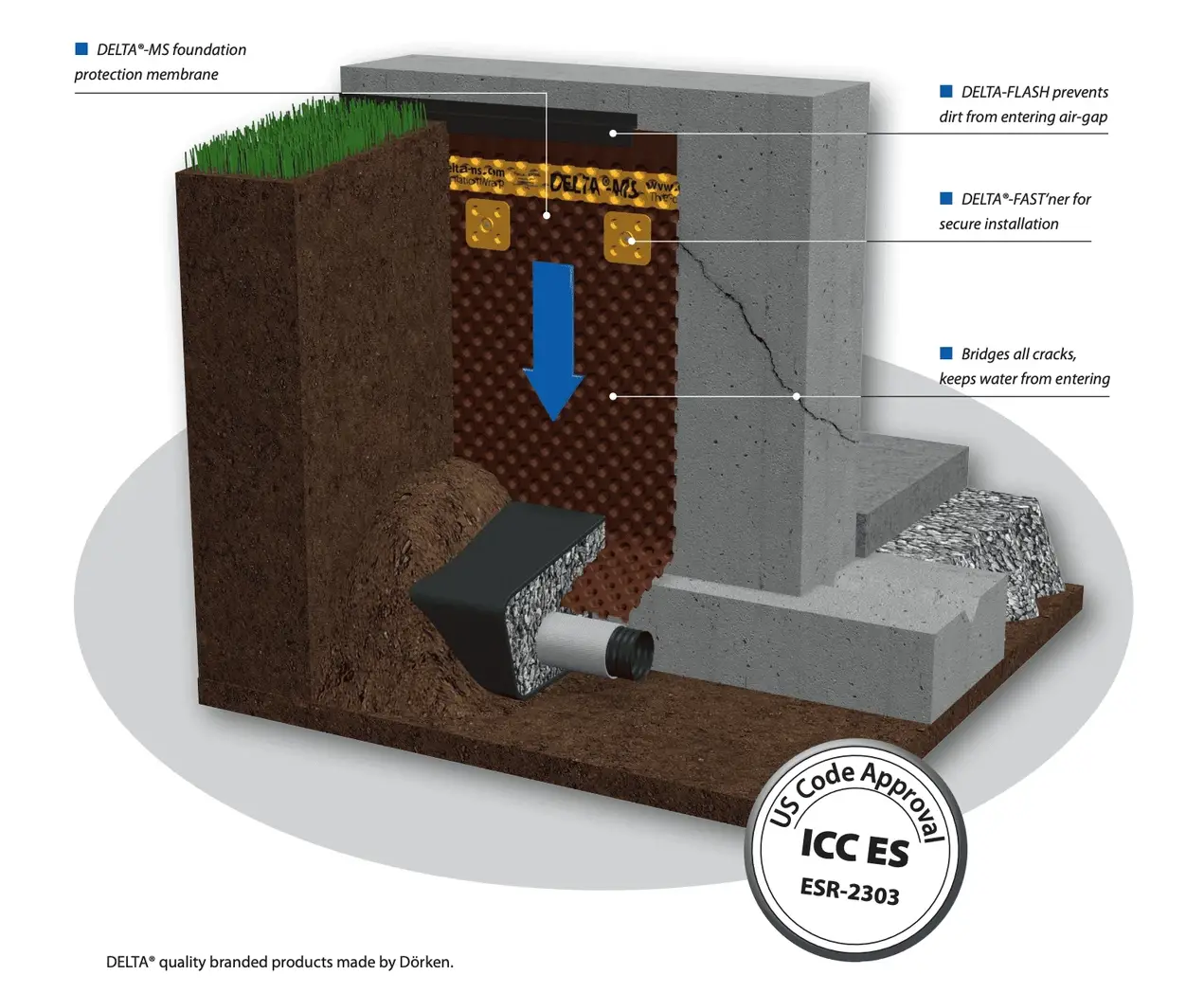
- Has significant water and drainage issues that remain unsolved
Why?
- You’ll likely pay twice: once for the retrofit, again to undo/redo it when the foundation is repaired or replaced.
- Hardware installed in soft, cracked, or delaminating concrete often does not reach its rated capacity.
- Water and clay soils can continue to undermine and crack the foundation regardless of how much hardware you bolt on.
That’s why our approach integrates seismic, foundation, and drainage from the start:
Seismic, Foundation & Drainage Services
Drainage, Waterproofing & Basement Services in the Bay Area
5. The Dangerous Combo: “It’s Fine” + Free 10‑Minute Estimate
You cannot decide whether retrofitting over your existing foundation makes sense from:
- A 10–15 minute “free estimate”
- A quick glance from the sidewalk
- One blurry photo of a crack
A real answer requires:
- Full crawl‑space evaluation (where accessible)
- Interior and exterior foundation review
- Drainage and moisture assessment
- Correlating foundation condition with slopes, cracks, and sticking doors inside
This is why we separate rough price talk from actual evaluations:
- Free Estimates vs. Real Evaluations: How to Choose the Right Path for Bay Area Seismic & Foundation Work
- Why Site Consultation Fees Are Worth It for Seismic Work
6. How to Decide the Right Order: Retrofit, Foundation, or Both
If you’re in the Bay Area and your foundation is questionable:
- Get a combined evaluation
Not just “can we bolt it,” but:- Foundation condition
- Drainage/water behavior
- Current framing and support condition
Start here:
Seismic, Foundation & Drainage Services - Ask for phased options
- Phase 1: critical safety and water management
- Phase 2: foundation repair/replacement
- Phase 3: full, house‑appropriate seismic retrofit
- Be honest about time horizon and budget
- If you’ll be in the home long‑term, doing foundation and seismic properly together often makes more sense than doing one “half right” twice.
- If you already had a retrofit over a suspect foundation, verify it
That’s exactly what Seismic Truth Audits™ are for:
Seismic Truth Audits™
You can bolt hardware to almost anything. The real question is whether the thing you’re bolting to will hold when the ground actually moves. Sometimes a limited retrofit over an imperfect foundation is a reasonable stopgap. Often, it’s a sign you should be talking about foundation, drainage, and seismic together instead of pretending they’re separate problems.