Are Hairline Foundation Cracks Normal in the Bay Area?
Almost every Bay Area homeowner eventually finds cracks in their foundation and wonders:
- “Is this normal, or is my house failing?”
- “Do I need to panic, patch, or plan for real work?”
- “Is this a seismic problem or just cosmetic?”
The honest answer: some cracks are expected, and some are early warning signs of bigger structural and drainage issues. The trick is knowing which is which.
This article walks through what “normal” looks like, when to worry, and how to get a real evaluation instead of guesses.
1. What “Normal” Foundation Cracks Look Like
Concrete is brittle and shrinks as it cures. Over time, it also responds to minor soil movement and temperature changes.
Common “normal-ish” cracks:
- Very thin hairline shrinkage cracks that don’t change much over many years
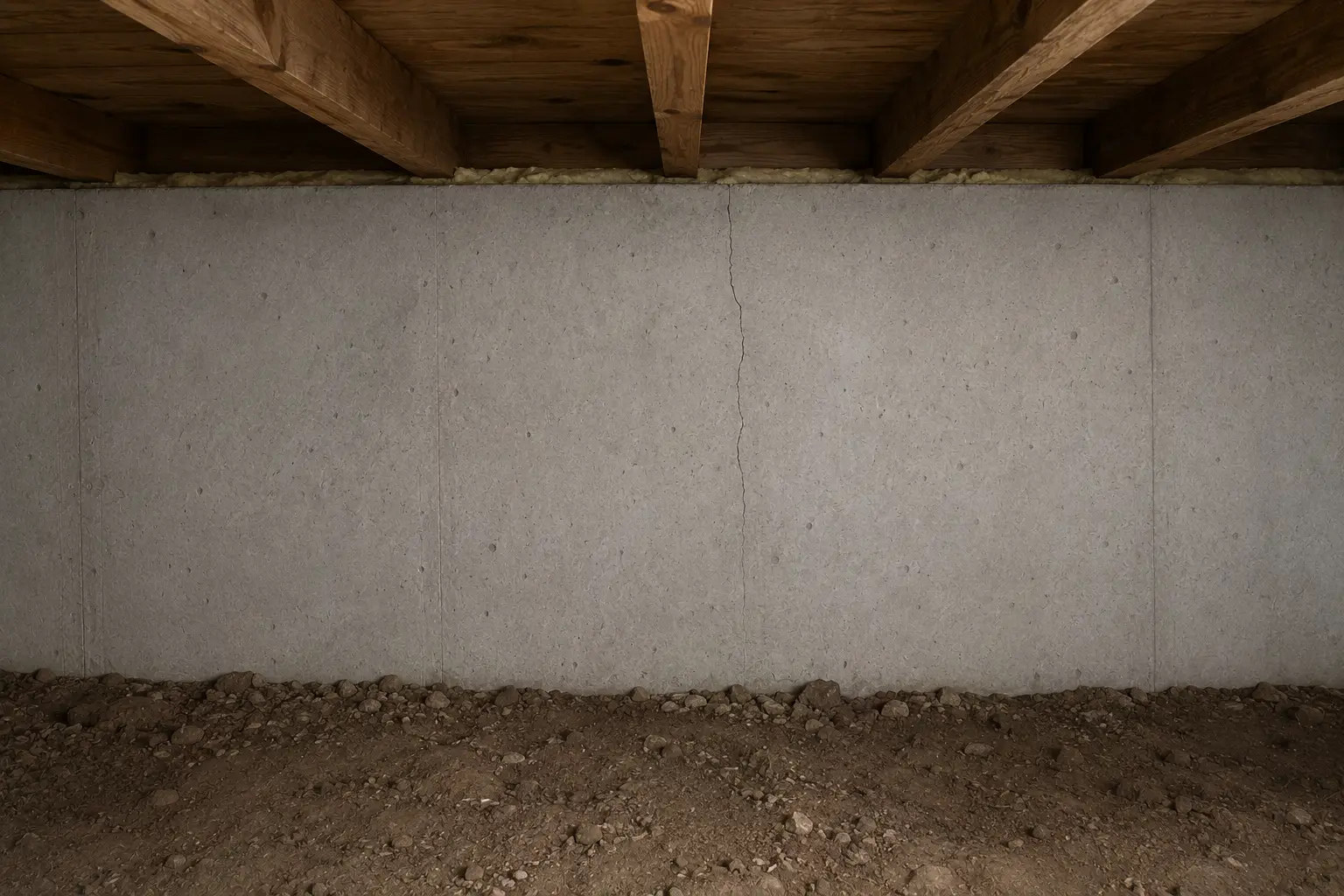
- Short, vertical or near‑vertical cracks in stem walls
- Small, isolated cracks with no related symptoms inside the house
These can often be monitored and may not require immediate structural work.
Key signs that a crack might be in the “probably okay for now” category:
- Less than ~1/16″ wide
- No clear change over several seasons
- No matching signs of movement (sloping floors, sticking doors, new interior cracks)
Even then, they’re still data about how your house and soil behave. They’re not something to just ignore forever.
2. Cracks That Deserve a Closer Look
More concerning patterns:
- Cracks wider at the top than bottom (or vice versa)
- Cracks that are wider than a credit card thickness
- Multiple cracks in a pattern (stair‑stepping, diagonal, or running long distances)
- Cracks that grow or widen over time
- Cracks associated with:
- Sloping or bouncy floors
- Sticking doors and windows
- Cracks above windows and doors inside
These can indicate differential settlement, heaving, or rotation of parts of the foundation.
We talk more about related symptoms in these articles:
- Why Are My Floors Sloping in the Bay Area?
- Why Do My Doors Suddenly Stick?
- Why Are Cracks Appearing Above My Windows and Doors?
3. How Bay Area Soils and Water Affect Foundation Cracks
The Bay Area has:
- Clay soils that shrink and swell with moisture
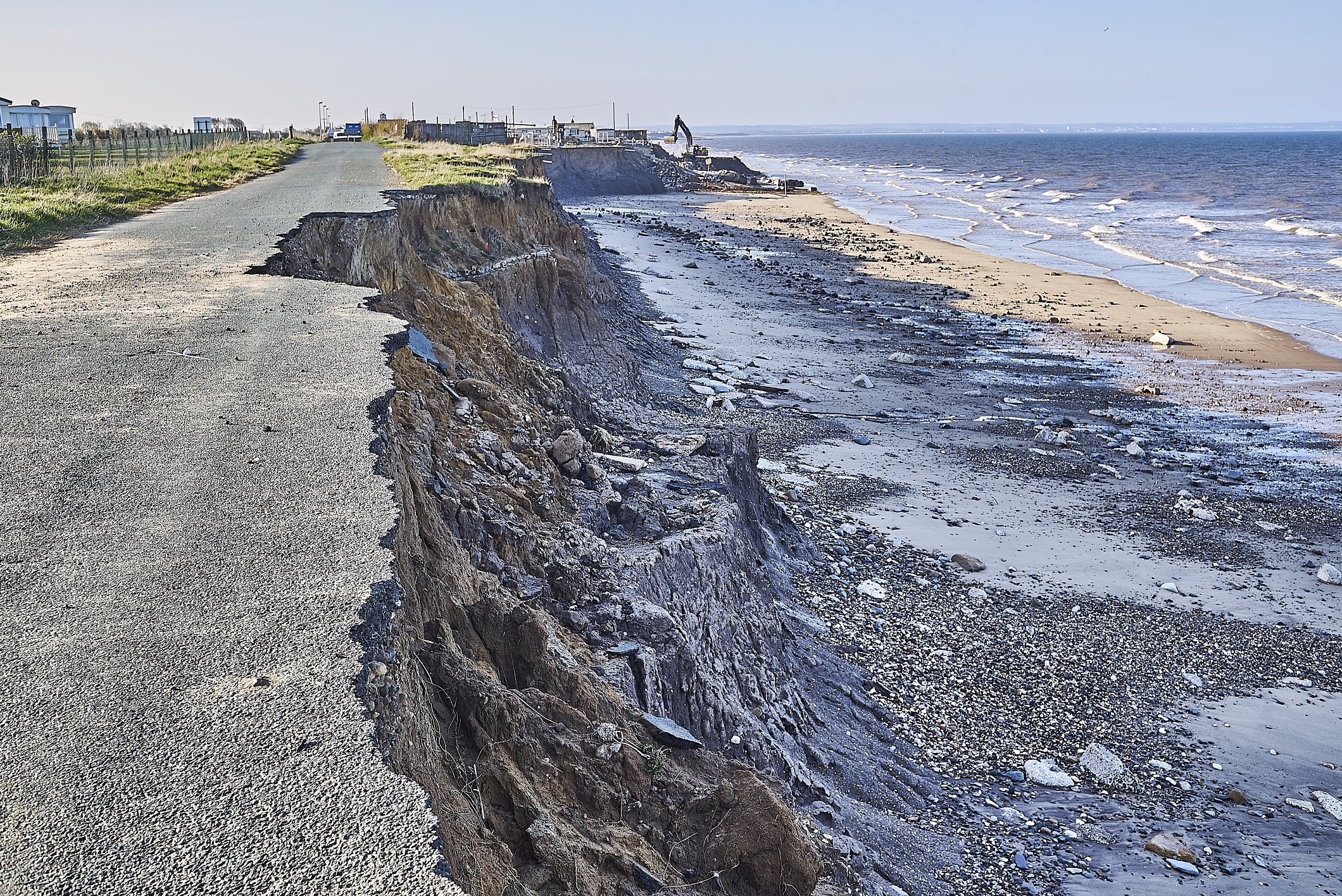
- Hillsides where soil wants to move downhill over time
- Areas with high groundwater or poor surface drainage
These conditions can cause:
- Vertical or diagonal cracking from settlement
- Horizontal or stepped cracking from lateral pressure
- Widening of existing cracks during wet seasons
If your foundation cracks correlate with:
- Standing water in the crawl space
- Damp or musty smells under the house
- Efflorescence (white, chalky deposits) on concrete
…then drainage is part of the problem, not a side note.
For more on this, see:
Drainage & Moisture Control
and our broader Services overview.
4. When Foundation Cracks Become a Seismic Concern
Even small cracks can matter for earthquakes if:
- The foundation is deteriorated, spalling, or delaminating
- Seismic anchors and hardware are installed in or near damaged sections
- Mudsills are at or below grade and show moisture or rot
In a quake, your house relies on:
- The foundation staying intact
- The mudsill staying sound
- The hardware and connectors having something solid to grab
Cracked, weakened foundations and rotted mudsills reduce all three. That’s why, when we look at seismic retrofits, we start by asking: “What are we bolting to?”
To see examples of retrofits installed over bad foundations (and why that’s a problem), look at:
Seismic Truth Audits™
5. Why Patching Cracks Alone Is Not Enough
Many quick fixes focus on:
- Injecting epoxy into cracks
- Smearing hydraulic cement over visible lines
- Painting or coating the surface
Those can be part of a repair, but they don’t answer:
- Why did the crack form in the first place?
- Is the soil moving?
- Is water saturating the footing area?
- Is load being transferred correctly through framing and supports?
Cosmetic crack repair without addressing drainage, soil behavior, and load paths is like repainting over rust on a car frame.
6. Why a Quick “Free Estimate” Won’t Answer Your Crack Questions
You can’t get a real answer about foundation cracks from:
- A 10‑minute walk around the outside
- One look at a single photo
- A generic “it’s just settling” statement
A proper evaluation should include:
- Exterior inspection of:
- Crack locations, widths, and patterns
- Site drainage, downspouts, slopes, and retaining walls
- Crawl‑space inspection (if accessible) of:
- Interior faces of foundation walls
- Posts, piers, beams, mudsills
- Standing water, dampness, or efflorescence
- Correlation with interior symptoms:
- Slopes, bouncy floors
- Sticking doors/windows
- Interior cracks
This is why we strongly separate “free estimates” from real diagnostics:
- Free Estimates vs. Real Evaluations: How to Choose the Right Path for Bay Area Seismic & Foundation Work
- Why Site Consultation Fees Are Worth It for Seismic Work
7. What To Do if You See Hairline Foundation Cracks
If you’re in the San Francisco Bay Area and you’ve noticed foundation cracks:
- Document what you see.
- Take clear, close‑up photos with a ruler or coin for scale.
- Take wider shots to show where the crack is on the house.
- Note when you first noticed it and any changes.
- Check for related issues.
- Are nearby floors sloping or bouncy?
- Any doors or windows sticking near that area?
- Any water or musty smells under the house?
- Schedule a real evaluation, not just a patch quote.
- Start with a contractor who handles seismic, foundation, and drainage together:
Services - If the house has already been retrofitted and you’re not sure it was done right, consider a Seismic Truth Audit™:
Seismic Truth Audits™
- Start with a contractor who handles seismic, foundation, and drainage together:
- Decide on a plan based on risk, not just appearance.
- Some cracks may be safely monitored.
- Others may call for drainage and structural work now, not later.
Hairline foundation cracks by themselves don’t automatically mean your house is failing. But they’re never “nothing.” They’re data points about how your home, soil, water, and structure are interacting. The safest, most cost‑effective decisions start with understanding that interaction correctly, then choosing the right mix of monitoring, drainage, structural repair, and seismic work.