Dry Rot & Termite Structural Repairs
For Bay Area homeowners who discovered rot or termite damage in structural wood and need it fixed correctly, not just sprayed and patched.
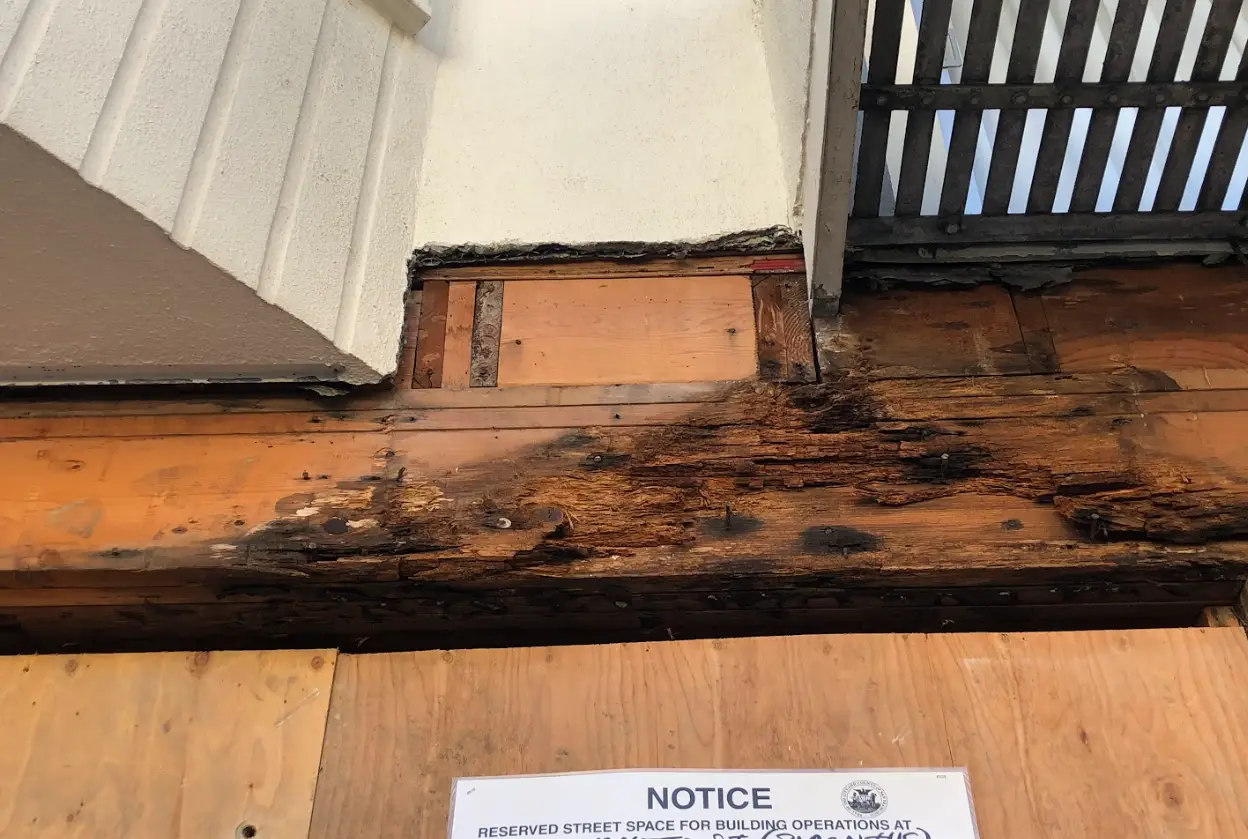
If you’ve found soft, crumbling wood, termite tubes, or an inspector flagged “significant dry rot / termite damage,” you’re not dealing with a cosmetic issue. You’re dealing with missing structure.
Paint and poison don’t put strength back into the framing. At some point, the bad wood has to go and real structure has to come back in.
That’s what this service is for.
What “Dry Rot & Termite Structural Repairs” Actually Mean
We’re not a pest control company. We’re the crew that comes after or alongside them to fix the wood that’s already been eaten or rotted.
Typical repairs include:
- Replacing sill plates that sit on the foundation
- Repairing or replacing rim joists, joists, and beams
- Replacing cripple wall studs and plates in crawl spaces
- Repairing posts and girders that carry major loads
- Fixing exterior stair, deck, and landing framing where it ties into the house
We make sure the load path – how the weight of your house gets to the ground – is solid again.
Step 1: Structural Damage Assessment
We start by figuring out:
- What’s structural vs what’s cosmetic
- Where damage is localized vs spread out
- Whether there’s active moisture intrusion we must address first
That usually means:
- Exterior walk to identify obvious problem areas
- Crawl-space or basement inspection to see what’s happening at sills, joists, beams, and posts
- Probing suspect wood with tools (not just looking from a distance)
- Noting sources of moisture (leaks, grading, gutters, ventilation issues)
If all you have is light surface damage or trim rot, we’ll tell you this is overkill. If your structure is compromised, we’ll show you clearly where and how.
Step 2: Coordinate With Pest / Moisture Control
If there are live termites or ongoing moisture issues, we’ll:
- Recommend a licensed pest control company to handle the insects
- Flag roof, wall, or plumbing leaks for appropriate trades
- Tie in with our drainage & moisture services if site water is part of the cause
Killing bugs or sealing leaks without replacing bad wood is like fixing the faucet but leaving the rotten sink.
Step 3: Structural Repair Plan
We then plan repairs that:
- Remove unsalvageable wood
- Replace it with properly sized, properly supported members
- Maintain or improve the building’s load-carrying capacity
Typical techniques:
- Sistering new joists or beams alongside partially damaged ones (when appropriate)
- Full member replacement when damage is too extensive
- Rebuilding short wall sections (cripple walls, pony walls) that have lost integrity
- Replacing or adding posts, footings, and hardware where support has been compromised
We prioritize repairs that address life safety and major support first, then work out to secondary elements.
Step 4: Execution in Tight, Ugly Places
Rot and termite damage love the places no one wants to go:
- Crawl spaces with low clearance
- Corners behind utilities
- Under steps, landings, and porches
We’re used to working in those conditions. That includes:
- Careful cutting and removal to avoid collateral damage
- Temporary shoring where needed while members are swapped out
- Installing new wood, hardware, and moisture protection with long-term durability in mind
Step 5: Tie-In With Seismic & Foundation Work
Dry rot and termites often show up right where earthquake upgrades should go:
- At sill plates and cripple walls that you want to brace and bolt
- At posts and beams that form part of your lateral load path
- Near basement walls and foundations that already need attention
Because we do both structural repairs and seismic/foundation work, we can:
- Combine scopes so you’re not paying twice to access the same areas
- Make sure new framing is ready for retrofit (shear panels, anchors, hold-downs)
- Address the underlying moisture or drainage issues that contributed to the damage
How the Process Works
- Initial call
- We clarify where damage has been seen and what inspectors have already said.
- On-site assessment
- Crawl/basement and exterior inspection with photos and probing of suspect areas.
- Repair proposal
- We outline what needs to be removed and replaced, how we’ll support the structure during work, and where we can combine with other needed work (seismic, foundation, drainage).
- Execution
- We perform the structural repairs, coordinating with pest control and other trades as needed.
- Review & prevention
- We show you what was fixed, what caused it, and what to watch or address to prevent repeat damage.
If you want more than a spray-and-pray fix – you want the structure under your floors and walls to be solid again – the next step is to let us see the damage up close and design a repair that restores real strength, not just appearances.