
New Study Says San Andreas Fault Stress Is at a 1,000‑Year High. What Bay Area Homeowners Can Actually Do.
San Francisco Bay Area
June 15, 2026
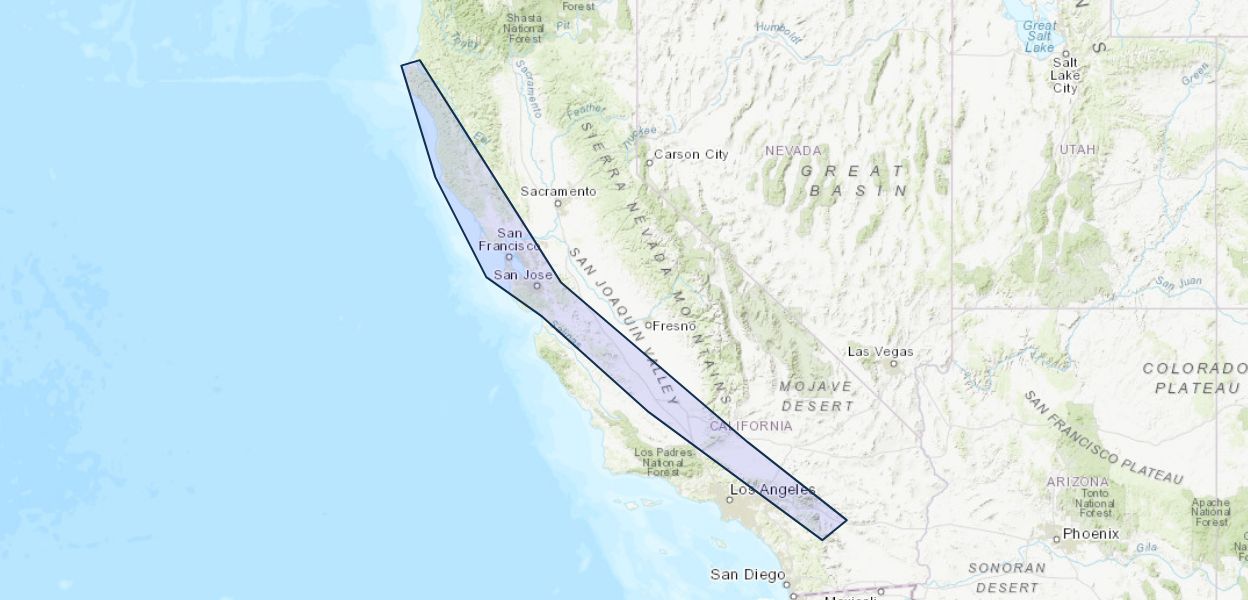
Recent coverage from ABC7 highlights new research from the University of Hawaiʻi: stress along major California faults, including the San Andreas, is at the highest level in roughly 1,000 years and the system is “critically loaded.”
That kind of headline can feel big and abstract. This article is about something smaller and more concrete:
What you can actually control under your own home in the Bay Area.
1. What the New San Andreas Fault Study Is Really Saying
The study and ABC7 coverage boil down to a few key points:
- Major faults that define California’s plate boundary have accumulated unusually high stress.
- Long intervals since the last major ruptures mean more stored energy.
- Parts of the system may allow larger, through‑going earthquakes when they finally move.
In other words: we live in a region where strong earthquakes are not a hypothetical. They are a “when,” not “if.”
That doesn’t tell you whether your house is ready. That part takes work in the crawl space, not in a lab.
For a broader preparedness overview (go kit, family plan, insurance, etc.), ABC7’s Prepare NorCal page is a good regional starting point.
2. Regional Preparedness vs. Under‑Your‑Home Reality
Prepare NorCal emphasizes:
- Get a kit
- Make a plan
- Be informed
- Consider earthquake insurance
- Practice “Drop, Cover, and Hold On”
- Secure your home’s structure and contents
We agree with all of that.
Where we spend our days is on the last line: securing your home’s structure and contents. For most older Bay Area houses, that means:
- Raised foundations with crawl spaces and short cripple walls
- Mixed‑age concrete, patch repairs, and additions
- Old or partial retrofits that may not meet current standards
That’s where local, under‑the‑house work picks up where regional checklists leave off.
If you want the big‑picture homeowner guide to this, see:
Your Home vs The Next Earthquake: A Practical Guide for Bay Area Owners
3. Start With What Your House Is Actually Sitting On
Most Bay Area single‑family homes we see are light wood‑frame structures on:
- Perimeter concrete foundations
- Short cripple walls
- Crawl spaces full of posts, piers, utilities, and history
On paper, they might be:
- “Retrofitted”
- “EBB compliant”
- “Permit finaled”
Under the house we keep finding:
- Cracked or deteriorated concrete
- Loose, missing, or mis‑installed anchor bolts
- Makeshift posts and pads that were never engineered
- Old retrofits that don’t follow current Plan Set A or FEMA P‑1100 details
The first real step is not a quick look from the hatch. It is a proper evaluation with:
- Full crawl of accessible areas
- To‑scale drawing of the foundation and supports
- Photo documentation you can keep
- Written findings in plain language
You can see how we approach this here:
Services – Seismic, Foundation & Drainage
For an owner‑level crawl‑space and foundation “manual,” see:
Under Your Home: The Bay Area Crawl‑Space & Foundation Guide
4. Fix the Water and Soils That Are Quietly Moving Your House
Earthquake shaking is sudden. Water and soils are slow but relentless.
Common patterns we see:
- Gutters and downspouts dumping right at the foundation
- Seasonal standing water in crawl spaces
- Clay soils that swell in winter and shrink in summer
- Efflorescence and rust on concrete and hardware
Over time that leads to:
- Uneven settlement or heave
- Cracked foundations
- Sloping floors and racked door frames
- Rot and corrosion around seismic hardware
If you want your home to behave well in a strong quake, you don’t want it already weakened and crooked from years of water mismanagement.
Drainage and moisture work is often step one, not an accessory. Learn more here:
Drainage & Moisture Control Services
5. Strengthen the Base of the Structure, Not Just the Headlines
When engineers and building standards talk about seismic performance, they talk about the load path:
- Roof and upper walls
- Floor diaphragms and collectors
- Shear walls and frames
- Hold‑downs, anchors, and foundations
- Soil
Many quick “brace‑and‑bolt” jobs improve only one or two links near the base, often inconsistently.
For many Bay Area crawl‑space homes, appropriate work includes:
- Properly anchoring the sill plate to sound foundation concrete
- Adding correctly detailed plywood bracing to cripple walls
- Using the right connectors between floors, walls, and foundations
- Making sure drainage and moisture aren’t quietly undoing what you just paid for
Depending on your configuration, that might be:
- A prescriptive Plan Set A / Chapter A3 retrofit
- A FEMA P‑1100‑2A‑style crawl‑space retrofit
- A FEMA P‑1100‑2B or engineered solution for living‑over‑garage soft stories
- A site‑specific engineered design for complex structures or hillside conditions
If you want the deeper structural side of this, see:
Beyond Foundation Bolts: The California Seismic Load Path Guide for Bay Area Homes
6. Verify What’s Already Been Done (If Your Home Says “Retrofitted” on Paper)
The gap we see every week:
- Paper: permit, final inspection, program participation, marketing photos
- Reality: wrong hardware, missing nails, scrap plywood, misinterpreted plan sets, water damage
If your home already has a retrofit and you’re wondering whether it’s actually protecting you, a Seismic Truth Audit™ is the right tool:
- We map the crawl space and foundation
- We take 100+ labeled photos
- We compare what’s installed to actual Plan Set A, FEMA P‑1100, and manufacturer requirements
- We document issues and options in writing
Details here:
Seismic Truth Audit™
7. Turning Headlines Into a Concrete Plan for Your Home
You cannot control when or how the San Andreas Fault moves.
You can control whether your home is:
- An unknown, neglected question mark, or
- A reasonably well‑understood structure with a sensible plan
If you’re in the Greater San Francisco Bay Area and want to move from headlines to specifics:
- Document what you see.
Photos of cracks, slopes, sticking doors, and water issues. - Get a real evaluation.
Not just a free quote; an actual diagnostic visit with drawings, photos, and written findings. - Decide on a phased plan.
Often:- Water and drainage first
- Foundation and structural corrections next
- Seismic retrofit and load‑path improvements as the backbone
- Cosmetic leveling and finishes last
You can start that process here:
Seismic, Foundation & Drainage Services
For a broader preparedness overview, ABC7’s Prepare NorCal page is a solid regional resource. Pair that with an honest look under your own home, and the next big earthquake story you see won’t feel quite so abstract.
Related Posts
Free Estimates vs. Real Evaluations: How to Choose the Right Path for Bay Area Seismic & Foundation Work
Do I Need an Engineer, Plan Set A, or FEMA P‑1100 for My Bay Area Seismic Retrofit?
When a “Brace‑and‑Bolt” Retrofit Isn’t Enough