General Foundation Evaluation Report
San Francisco Bay Area
For Bay Area homeowners who want a clear, written picture of their foundation and support systems – without jumping straight into a full engineering study or a sales pitch for replacement.
Most foundation conversations start at the wrong end:
- “We’ll just epoxy the cracks.”
- “You probably need a full replacement.”
- “We can level the floors for X dollars.”
All of that might be true, or it might be way off. The General Foundation Evaluation Report is designed to answer a simpler, more fundamental set of questions first:
- What is actually happening with your foundation and support system?
- Is it moving, has it moved, or is it mostly stable?
- Where is water and soil making things worse?
- What are the real options – repair, partial replacement, full replacement, or monitor?
Once you know that, you can decide what to do, instead of reacting to the loudest bid.
What the General Foundation Evaluation Report Is
This service is a structured, third‑party look at:
- Your foundation (type, condition, movement)
- Your primary supports (beams, posts, piers, cripple walls)
- The water and soil behavior around and under the house that’s driving problems
It is not:
- A generic home inspection
- A one‑line “needs new foundation” verdict
- A sales script designed to push the biggest possible job
You get a professional eye on your foundation and support systems, plus a written report and photos you can use with:
- Us, if you decide to have us do the work
- Any other contractor you want quotes from
- Engineers, if you decide to bring one in on specific issues
- Buyers, sellers, or lenders who want to understand what’s going on
If you’re still at the “trying to understand the landscape” stage, two good companion pieces are:
- How Soil Affects Foundation Stability & When Repairs Are Required
https://www.avant-gardece.com/how-soil-affects-foundation-stability-when-repairs-are-required/ - Drainage, Waterproofing & Basement Services in the Bay Area
https://www.avant-gardece.com/drainage-waterproofing-basement-services-in-the-bay-area/
What We Look At
During a General Foundation Evaluation, we typically review:
Exterior and site
- Foundation exposure around the perimeter
- Visible cracks, spalls, bulges, or offsets
- Slopes, retaining walls, hardscape, and grading that affect water flow
- Obvious drainage issues (downspouts, flat spots, ponding areas)
Foundation and supports
- Foundation type: perimeter stem wall, slab, combinations, interior footings
- Location and character of cracks and movement (shrinkage vs structural)
- Condition of beams, posts, and piers supporting interior lines
- Cripple walls, sill plates, and how loads are actually being carried
- Old patch repairs or partial replacements and how they’re behaving
Interior symptoms
- Doors and windows sticking or out of square
- Flooring slopes you can see or feel
- Interior cracks that line up with foundation movement
We’re not guessing from a single crack or a “feel” about the house. We’re mapping patterns between soil, water, foundation, supports, and finishes.
If you’re also thinking about seismic work, our guides:
- Under Your Home: The Bay Area Crawl‑Space & Foundation Guide
https://www.avant-gardece.com/guides/under-your-home/ - Beyond Foundation Bolts: The California Seismic Load Path Guide for Bay Area Homes
https://www.avant-gardece.com/guides/seismic-load-path-guide/
help connect what we see in the foundation to how your home will actually behave in an earthquake.
What You Get in the Report
The General Foundation Evaluation Report gives you three main deliverables.
1. Condition summary in plain English
We explain, in real words:
- Where your foundation and supports are sound
- Where they are cosmetically aged but functionally fine
- Where there is meaningful movement, deterioration, or risk
We’ll tell you if issues are:
- Historical (moved long ago and now stable)
- Active (still moving, tied to water/soil behavior)
- Cosmetic (unsightly but not structurally significant)
This is meant to de‑mystify things so you’re not at the mercy of whoever shouts “full replacement” the loudest.
2. Photos and sketches
We include:
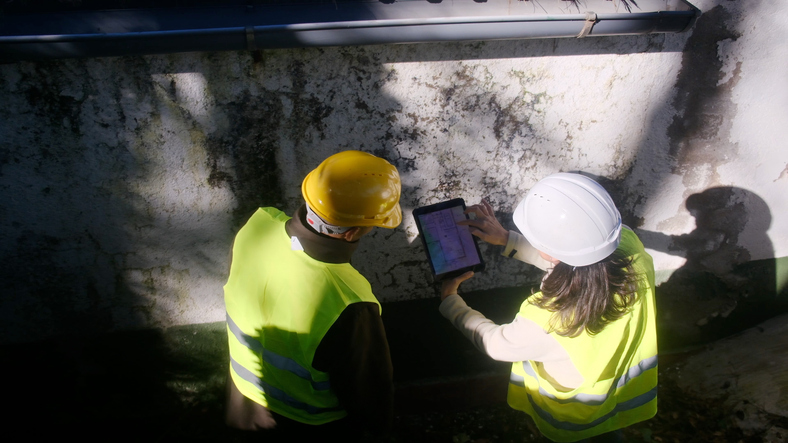
- Photos of representative cracks, supports, and problem areas
- Photos showing water and grading patterns that matter
- Simple plan‑view sketches marking key defects and structural lines
These images and sketches make it much easier to:
- Get apples‑to‑apples bids from multiple contractors
- Show an engineer exactly what’s happening in specific spots
- Communicate with buyers, sellers, or other decision‑makers
If you want to see how we do this on the seismic side, our Earthquake Safety Audit™ page shows a similar approach to documentation for earthquake performance:
https://www.avant-gardece.com/earthquake-safety-audit/
3. Options and priorities
The report spells out your realistic options, usually in a “good / better / best” or “red / yellow / green” style:
- Monitor: when movement is minor or historical and doesn’t justify major work yet
- Repair / partial replacement: when targeted fixes (crack repair, sistering, partial wall replacement, underpinning) make sense
- Full replacement: when the foundation is so compromised that patching isn’t honest
We’ll also talk about dependencies, like:
- “Fix drainage on this side first, then reassess.”
- “Underpin here if you want to level floors as part of a remodel.”
- “If you plan a large addition, this area needs to be addressed as part of that work.”
This is not a bid disguised as a report. It’s a decision tool. When you are ready for proposals, we can then build line‑item bids from this foundation, or you can let others quote against it.
For people thinking several steps ahead, our Foundation, Structural & Drainage Risk Evaluation – Bay Area is the “full orchestration” version that layers seismic and water on top:
https://foundation.avant-gardece.com/
Who This Is (and Isn’t) For
The General Foundation Evaluation is a good fit if:
- You see cracks, slopes, or efflorescence and don’t know how serious they are
- You’ve gotten conflicting opinions (minor repair vs full replacement) and want a neutral read
- You’re buying or selling and want more than a basic home inspector can legally give you on structure
- You’re planning a remodel and want to know if you’re building on a solid base
It’s not the right service if:
- You only want a free, verbal “ballpark” opinion with no photos or report
- You already have detailed engineering drawings and are only price‑shopping
- You’re dealing with a very specialized retaining structure, deep foundation system, or hillside that clearly needs a full geotechnical + structural engineering team out of the gate
If you’re also dealing with obvious drainage or moisture issues (standing water, damp crawl, efflorescence, etc.), you might be better served by going straight to:
- Drainage & Moisture Safety Visit – Bay Area
https://drainage.avant-gardece.com/
or pairing the foundation evaluation with that visit. We can help you decide on a short intro call.
How the Process Works
- Intake and scheduling
We confirm basic details by phone or email: age of the home, type (crawl, slab, basement), visible symptoms, and any past work. - On‑site evaluation
We walk the exterior, inspect accessible interior areas, and, where possible, inspect the crawl space or basement. We document with photos and notes as we go. - Report and options
You receive a written summary, photos, and practical options with priorities. If you’ve also asked us for cost ranges, we’ll outline those at a planning level. - Follow‑up (optional but recommended)
We can schedule a review call to walk through the report, answer questions, and talk about next steps, whether that’s doing nothing, monitoring, targeted repair, or more significant work.
From there, you can:
- Ask us to prepare specific bids for the recommended work
- Use the report to get quotes from other contractors
- Bring in an engineer on targeted items with better data in hand
- Or simply file it away as your baseline and revisit later
If you’d like to read more before scheduling, you can browse all of our seismic, foundation, and drainage articles here:
Avant‑Garde Blog
https://www.avant-gardece.com/blog/