

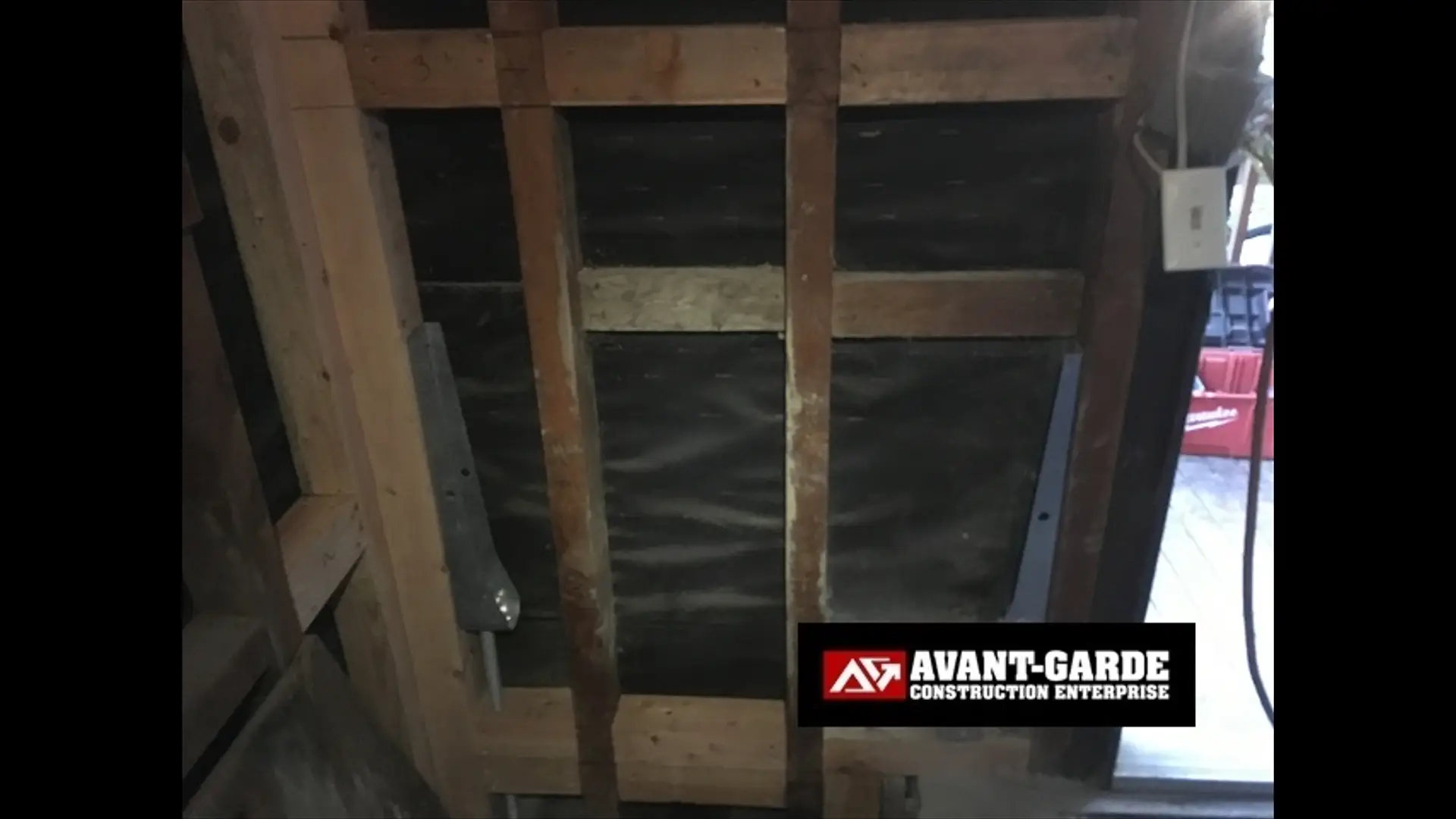
Crawl-Space & Cripple-Wall Retrofits
For Bay Area homeowners with raised foundations and crawl spaces who want their house tied to the ground properly before the next big quake.
If your home sits on a raised foundation with a crawl space, your earthquake risk is usually concentrated in one place:
- Short wood walls around the crawl space (cripple walls)
- The connection between those walls and the floor above
- The connection between those walls and the concrete below
If those three things are weak, the house can rack, slide, or fall off its supports in a strong earthquake. That’s what a crawl-space / cripple-wall retrofit is designed to fix.
What a Crawl-Space / Cripple-Wall Retrofit Is
In plain English, this retrofit:
- Stiffens the short walls around your crawl space so they don’t fold over
- Bolts your house to the foundation so it can’t slide
- Ties the floor and walls together so the structure moves as one unit
Typical elements include:
- Plywood shear sheathing on cripple walls
- Anchor bolts or proprietary anchors into the concrete
- Hold-downs, tension ties, and metal connectors at key locations
- Blocking and nailing patterns that match modern seismic standards
It’s surgical work in tight spaces, but it’s one of the highest “risk reduction per dollar” upgrades you can do on a wood-frame house here.
Who This Service Is For
You’re a good fit if:
- Your home is wood-frame, built before ~1990
- You have a raised foundation with a crawl space (not a slab-on-grade)
- You see short perimeter walls under the main floor (cripple walls), especially if they’re just bare studs
- You’re in a known earthquake area (Bay Area) and have never had a proper retrofit done
You’re not a fit for this specific service if:
- You have a slab foundation with no crawl space
- You’re dealing with a soft-story multifamily building (parking under units) – that’s a different retrofit
- Your main problem is serious foundation failure from landslide, heave, or massive settlement (we’d start with a foundation evaluation)
What Our Crawl-Space Retrofit Service Includes
1. Under-house inspection
We start by going where most people never do:
- Confirm foundation type and condition
- Identify cripple walls vs. post-and-beam only sections
- Check for existing anchors, hold-downs, and prior retrofit attempts
- Look for rot, termites, or moisture issues that must be addressed first
You get a clear explanation of what’s there now and how it would likely behave in a major quake.
2. Retrofit plan (prescriptive or engineered)
Depending on your house and city requirements, we either:
- Use an approved prescriptive standard (Plan Set A, FEMA P-1100 patterns, etc.), or
- Work from a custom engineer design for your specific layout
We map out:
- Where shear walls will go
- Where anchors and hold-downs are needed
- Any framing or foundation prep work required
3. Hands-on retrofit work
Typical field work includes:
- Adding plywood shear panels to cripple walls with proper nailing patterns
- Installing anchor bolts or expansion/epoxy anchors into the foundation
- Installing hold-downs and tension ties at wall ends and critical points
- Adding blocking, clips, and connectors to tie framing together
- Replacing or repairing any rotten or compromised framing in the load path
We focus on doing the unseen work correctly: the stuff under the house that you’ll never photograph for Instagram but will absolutely care about when the ground moves.
4. Clean documentation
After the job you receive:
- Photos of key retrofit elements before they’re covered by insulation or finishes
- A summary of what was done and where
- Copies of permits and inspection approvals, if applicable
That’s what your future self, your insurer, and any serious buyer will want to see.
How the Process Works
1. Initial call
- Quick triage: house type, year built, known issues, permit history.
2. Crawl-space inspection & evaluation
- We get under the house, document existing conditions, and discuss options.
3. Scope & pricing
- We propose a crawl-space / cripple-wall retrofit scope tailored to your house, with clear boundaries and assumptions.
4. Permit & build
- We obtain permits (where required), perform the retrofit, and coordinate inspections.
5. Walkthrough & handoff
- We review what was done, what risk it addresses, and what (if anything) still makes sense in the future.
If you want your raised-foundation home tied properly to its foundation instead of just hoping the original builder did enough 40–80 years ago, the next step is simple: let us inspect your crawl space, then we’ll show you exactly what a proper crawl-space / cripple-wall retrofit means for your specific house.


