
San Ramon Earthquake Swarm: 20+ Small Quakes, One Big Reminder for Bay Area Homeowners
San Francisco Bay Area
February 3, 2026
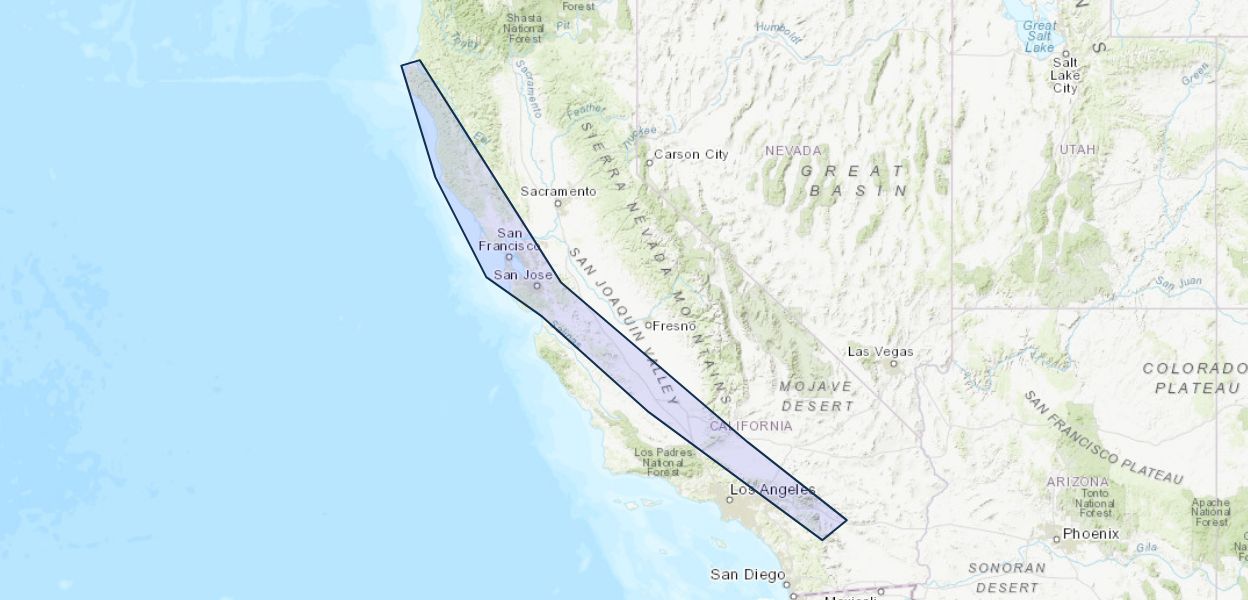
Early Monday, a cluster of more than 20 small earthquakes rattled San Ramon and parts of the East Bay. The largest was a magnitude 4.2 just after 7 a.m., with shaking reported from Dublin and Pleasanton to Oakland and even parts of San Francisco.
KQED has a good summary of the swarm and expert comments here:
Earthquake Swarm in San Ramon Is Felt Around Bay Area, With Over 20 Small Quakes
Most of these events are tied to the Calaveras Fault, which is known for this kind of “flurry” activity. Seismologists note that swarms like this are common and, by themselves, usually don’t mean a major earthquake is about to hit tomorrow.
But they are a very loud reminder to look at something most people ignore: what’s under your house.
1. Small Quakes, Real Stress on Older Bay Area Homes
Even modest shaking can:
- Open up existing cracks in concrete
- Shift already‑tilted posts or makeshift supports
- Loosen marginal connections between wood framing and foundations
- Highlight doors that suddenly stick or floors that feel more uneven
If you’re in San Ramon, Dublin, Danville, or anywhere along the I‑680 corridor, odds are your home is:
- Wood‑frame construction
- On a raised perimeter foundation with a crawl space, or
- An older slab or split‑level with additions and patchwork repairs
That combination makes foundation, crawl‑space, and drainage conditions a big part of how your house will behave in future quakes.
If you want a deeper owner‑level guide to what’s under your home, start here:
Under Your Home: The Bay Area Crawl‑Space & Foundation Guide
2. Swarms Don’t Change the Odds Overnight. Your Maintenance Does.
According to seismologists quoted in the KQED article, the Calaveras Fault has a long‑term chance of producing a larger quake, but this specific swarm only slightly changes the short‑term probabilities. In plain English:
- The region has always had earthquake risk.
- This swarm doesn’t suddenly “guarantee” a big one this week.
- It does expose how unsettled many homeowners feel about their house’s condition.
You can’t control fault mechanics. You can control whether your home is:
- Sitting on deteriorated or cracked concrete
- Supported by improvised posts and pads
- Partially “retrofitted” in ways that don’t match current standards
For the bigger‑picture homeowner view (insurance, grants, timing, and trade‑offs), see:
Your Home vs The Next Earthquake: A Practical Guide for Bay Area Owners
3. What a Practical Response Looks Like in the San Ramon Area
Instead of just watching swarm updates, here’s a grounded sequence we recommend for Bay Area homeowners:
- Document what you’re noticing
- New cracks above doors or windows
- Doors or windows that started sticking after the swarm
- Sloping or bouncy floors you hadn’t paid attention to before
- Get an actual under‑house evaluation
Not a two‑minute peek from the hatch. A real visit should include:- Full crawl of accessible areas
- To‑scale sketch of the foundation and supports
- Photo set you can keep
- Written findings in plain language
That’s the core of how we approach seismic, foundation, and drainage work:
Seismic, Foundation & Drainage Services - Check any existing “retrofit” work honestly
We routinely find:- Hardware installed incorrectly or into weak concrete
- Plywood that doesn’t meet shear‑wall detailing
- Program or permit paperwork that doesn’t match the actual work
If your home is supposed to be “already retrofitted,” and you want to verify what you actually have, this is the right tool:
Seismic Truth Audit™ - Think in terms of load path, not just bolts
Small swarms and larger quakes both test the entire path from roof to soil. If you want the structural side in more detail, this guide explains how the pieces fit:
Beyond Foundation Bolts: The California Seismic Load Path Guide for Bay Area Homes
4. Turning a Swarm Into a Checklist, Not Just Anxiety
Monday’s swarm in San Ramon is a reminder, not an outlier. This is the region we live in.
You can let every notification raise your blood pressure, or you can use events like this as a trigger to:
- Understand your foundation, crawl space, and drainage
- Verify (or question) past seismic work
- Make a phased plan that fits your budget and timeline
If you’re in the Greater San Francisco Bay Area and want to turn shaky headlines into a concrete plan for your own home, you can start here:
Seismic, Foundation & Drainage Services
And if you want to keep up with broader earthquake‑related developments that actually matter for local homes, you can watch our new Recent News posts on the Avant‑GardeCE blog.